Global AI Solutions Provider Accelerates Digital Growth Through Enterprise AI Website Modernization
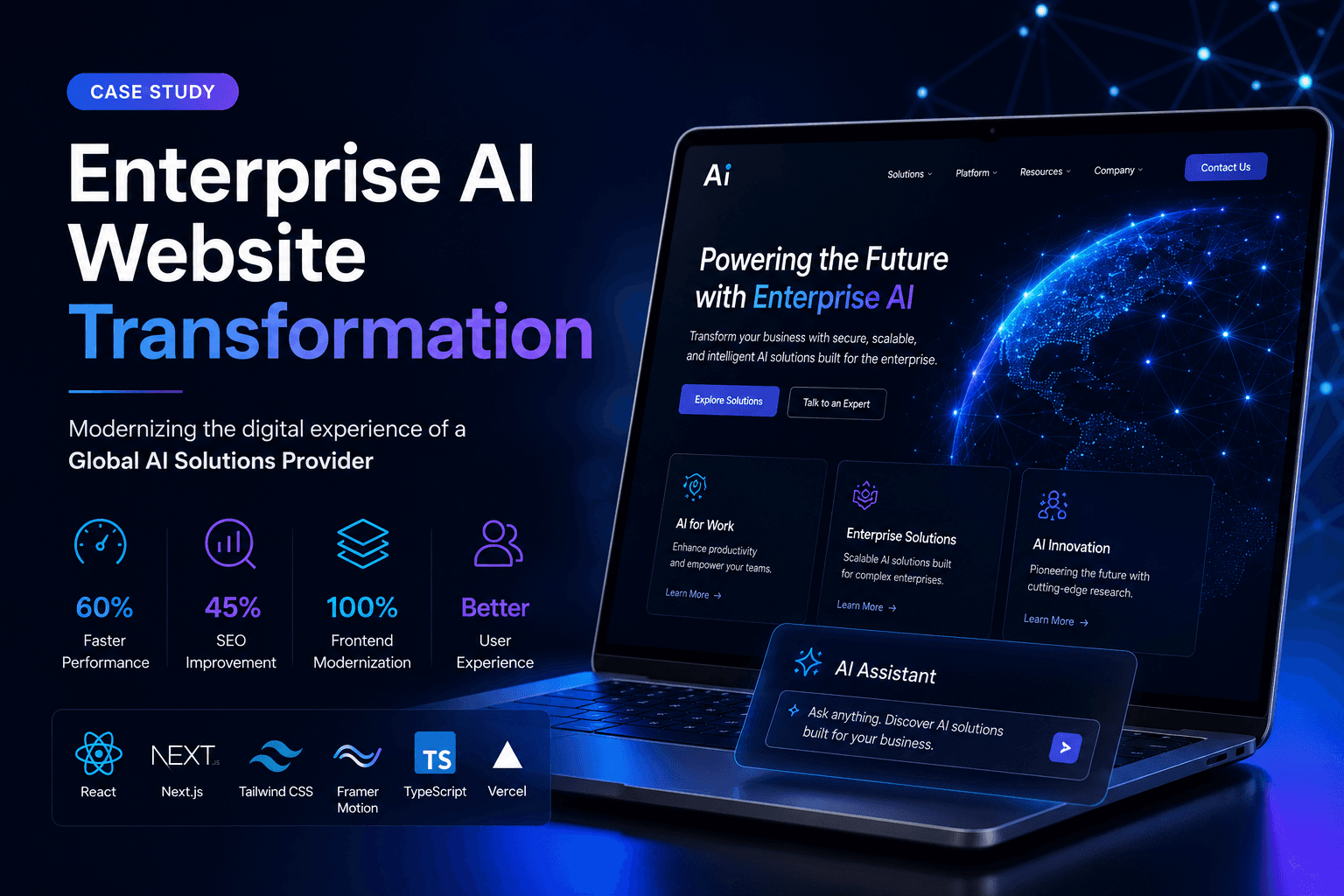
Modernized a global AI solutions provider's website using React and Next.js, improving performance, scalability, and SEO visibility.
Business Process Challenges
A global AI solutions provider needed to modernize its corporate website to better reflect its evolving portfolio of AI products and enterprise services. The existing website was built on a legacy PHP architecture that had become difficult to maintain, scale, and optimize for modern user expectations.
Performance limitations were affecting page load speeds, search engine visibility, and overall user experience. The legacy framework also restricted the adoption of modern frontend technologies required to support interactive product experiences, dynamic content delivery, and future platform expansion.
From a business perspective, the website no longer aligned with the company's innovation-driven brand positioning. Navigation workflows were fragmented, content discovery was inefficient, and the user interface lacked the engagement expected from a leading AI technology provider.
The client required a complete frontend transformation that would improve performance, strengthen SEO foundations, enhance user engagement, and provide a scalable architecture capable of supporting future growth.
Our Strategic Approach
Softree Technology executed a full website modernization initiative focused on performance, scalability, and user experience. Rather than extending the legacy PHP codebase, the team designed and developed a new frontend architecture using React.js and Next.js.
The solution leveraged Server-Side Rendering (SSR) and Static Site Generation (SSG) to improve search engine indexing and deliver faster page loads. A component-based architecture was implemented using TypeScript, enabling reusable modules, improved code quality, and long-term maintainability.
Tailwind CSS was used to create a modern, responsive user interface, while Framer Motion introduced subtle animations and interactive elements that enhanced engagement without compromising performance. Additional optimizations included lazy loading, code splitting, and image optimization to ensure consistent experiences across desktop and mobile devices.
The platform was deployed through Vercel with streamlined CI/CD workflows, providing a reliable deployment pipeline and a scalable infrastructure for future enhancements.
How we delivered it.
Explore the Solution Through visuals
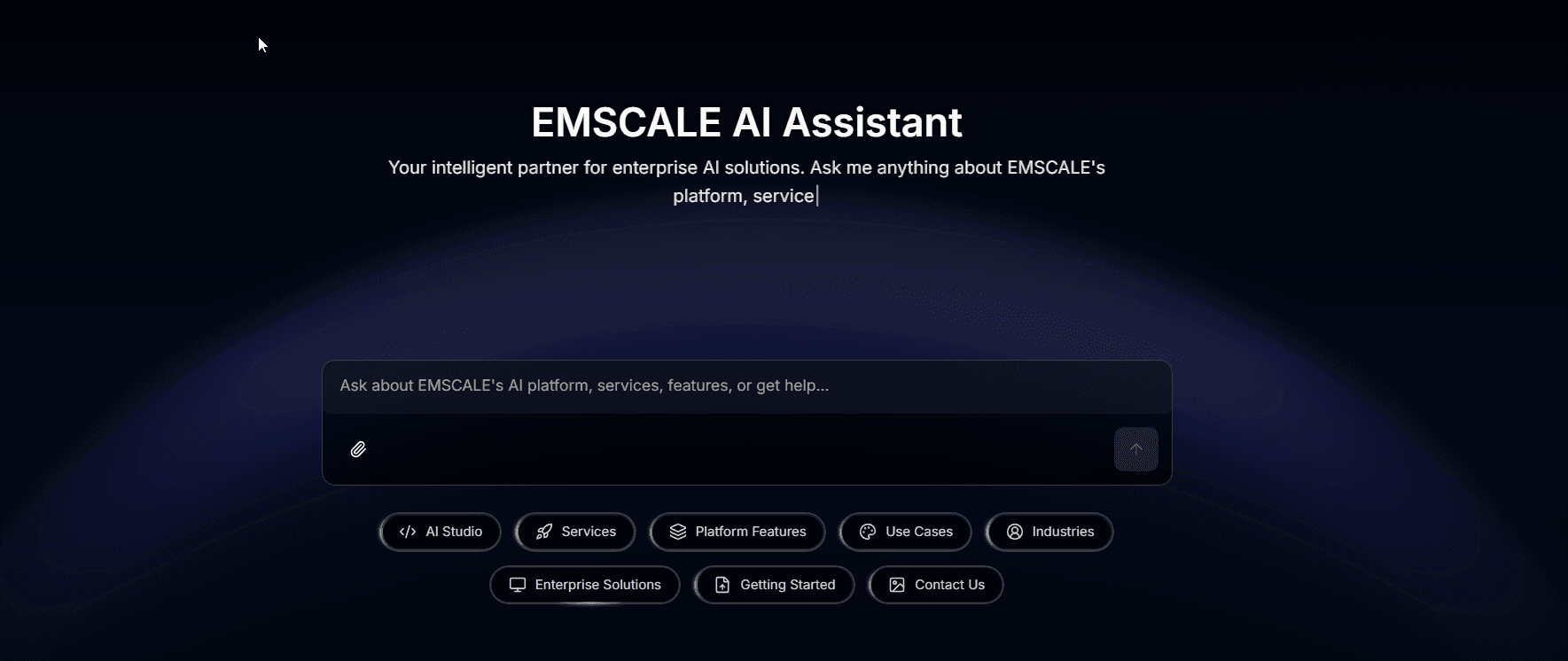
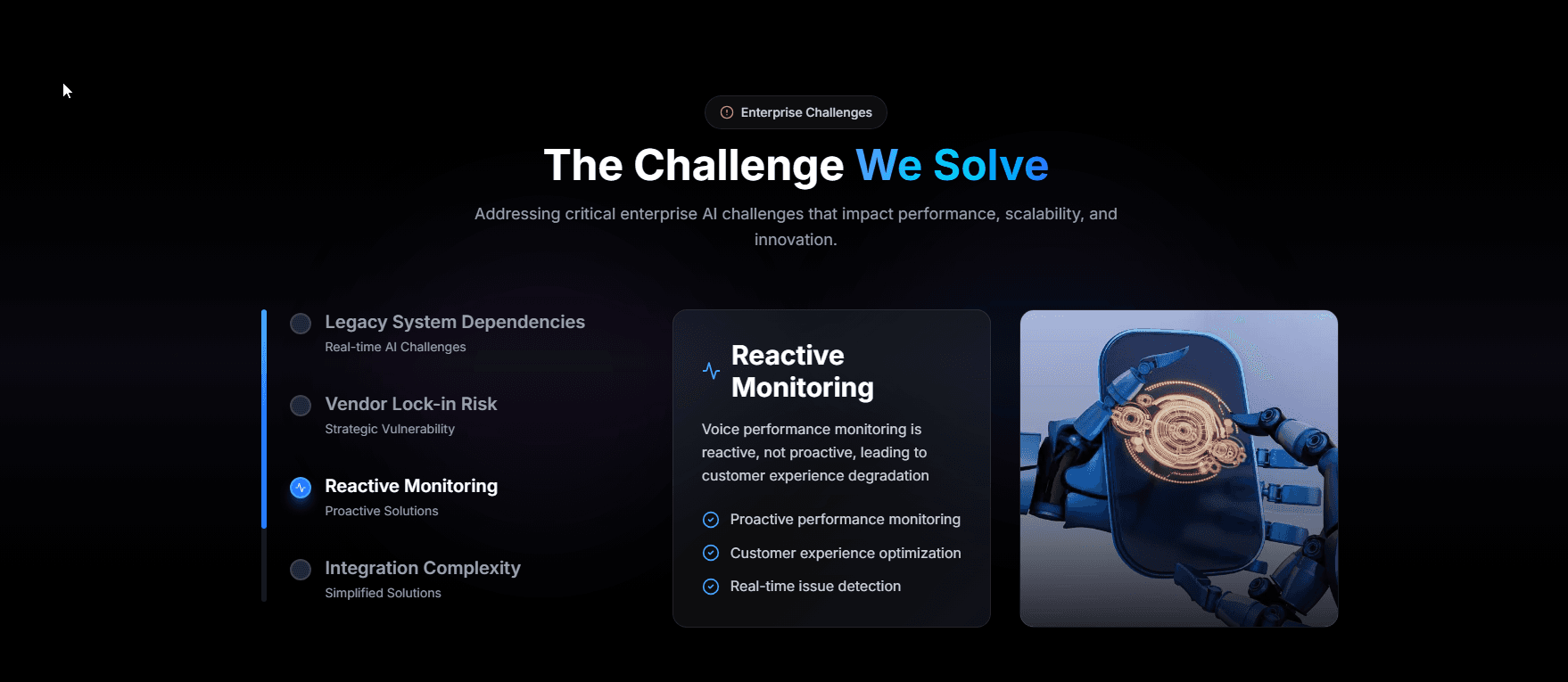
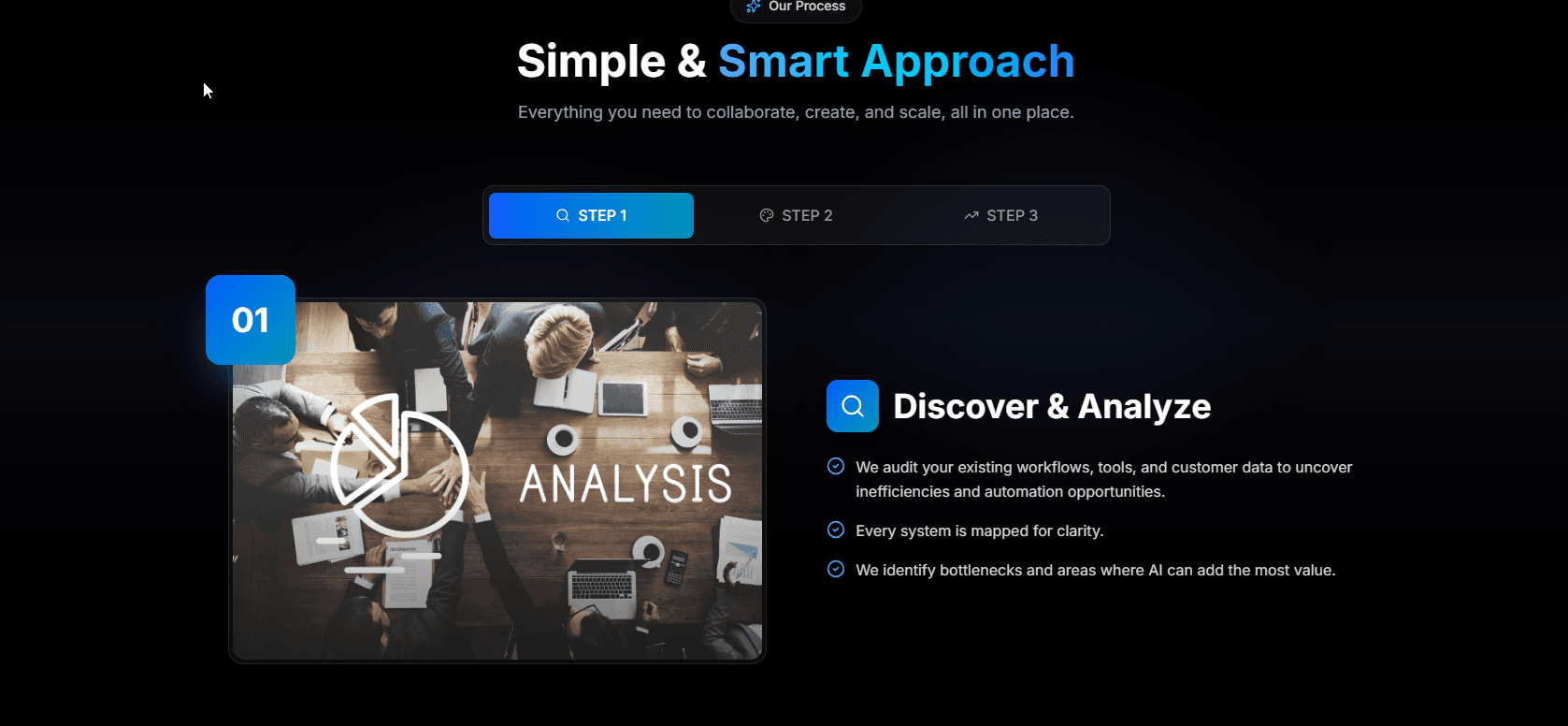
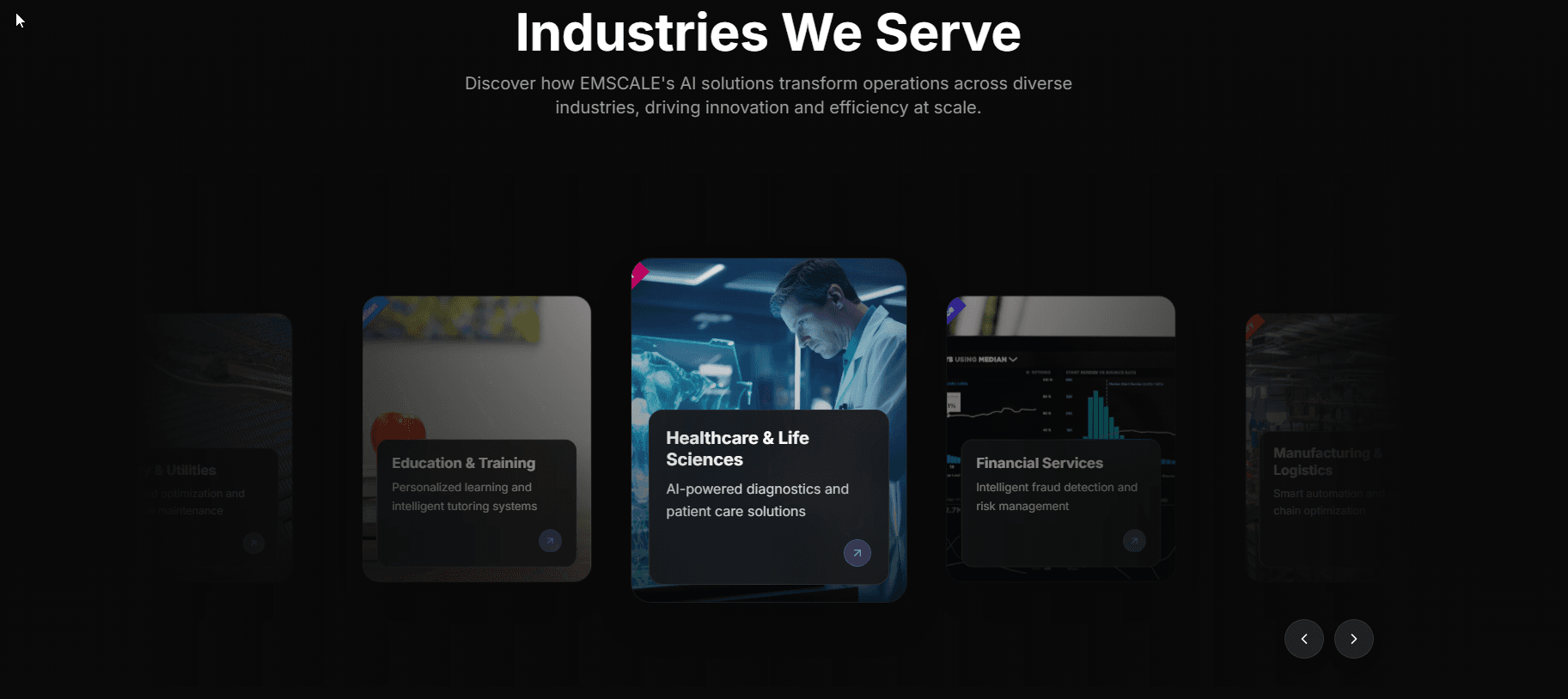
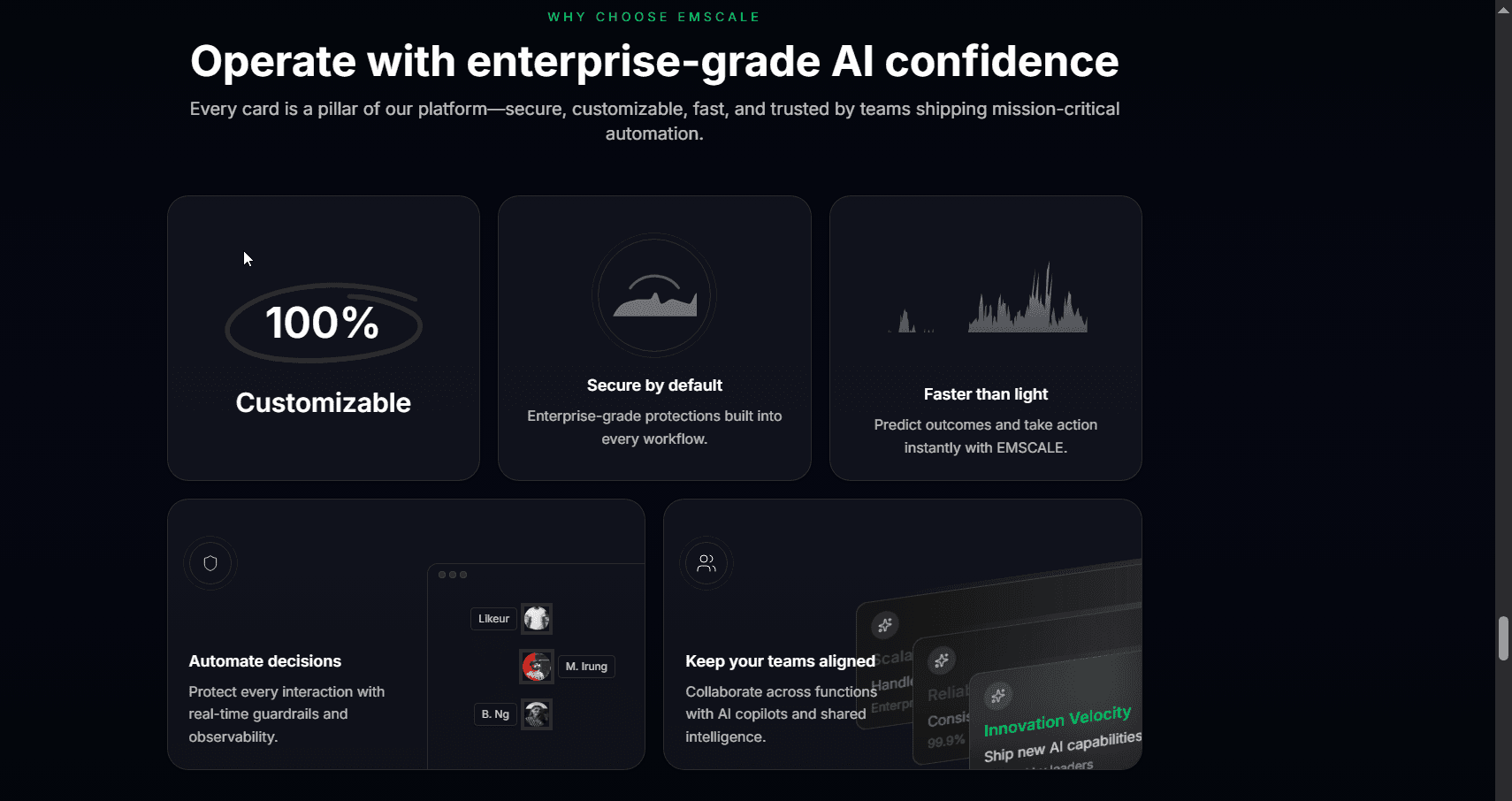
What changed for the client.
The website transformation delivered significant improvements in performance, usability, and technical scalability. By replacing the legacy architecture with a modern React and Next.js framework, the client established a future-ready digital platform capable of supporting continued business growth.
The implementation improved page load speeds by approximately 60%, increased SEO performance by 45%, and enabled faster user navigation through optimized routing and rendering strategies. The redesigned interface provided a more intuitive user journey, helping visitors discover products, services, and AI solutions more efficiently.
The new architecture also reduced long-term maintenance complexity through reusable components and TypeScript-based development standards. With improved performance, stronger SEO foundations, and a modern user experience, the organization is now better positioned to attract enterprise customers and showcase its AI innovation capabilities at scale.
The numbers behind the rollout.
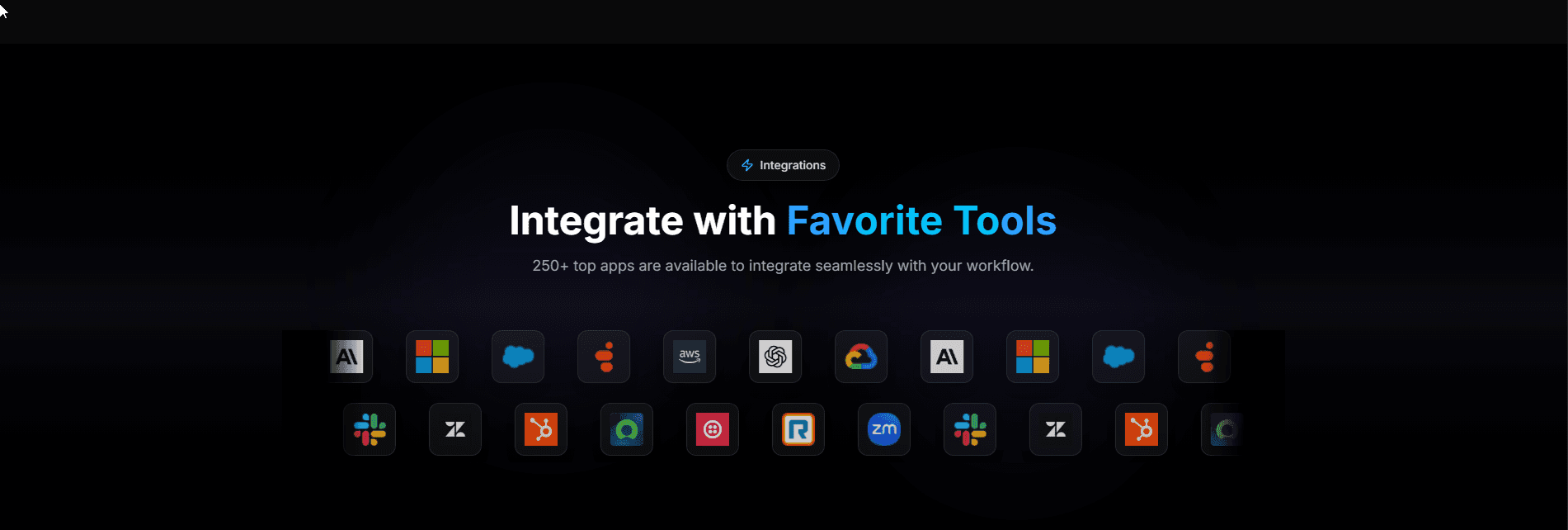
The full integration layer.
Other engagements worth a look.
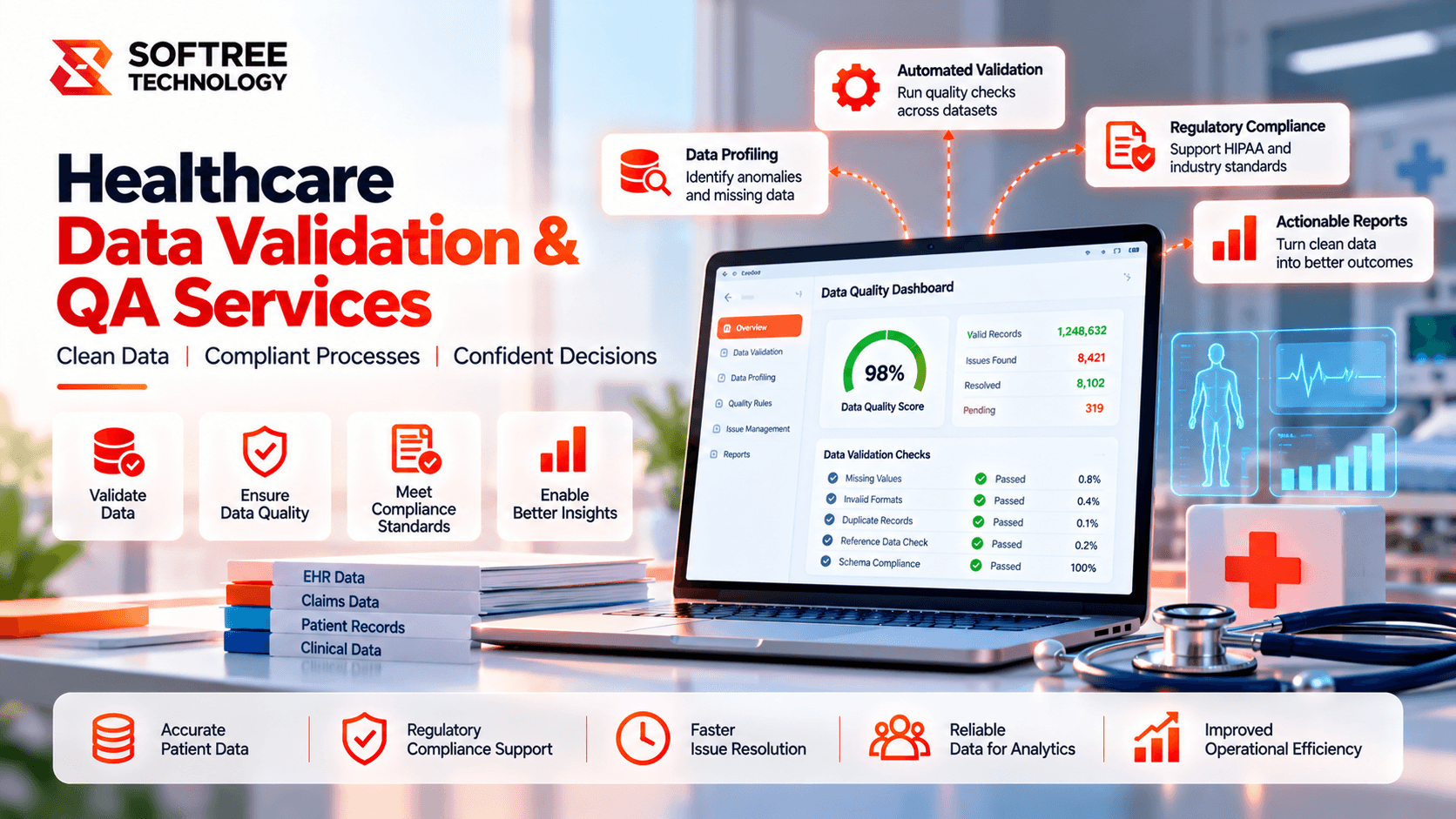
Healthcare Data Validation and Quality Assurance
Explore an AI-powered healthcare data validation platform designed to test data integrity across patient records, lab results, and insurance claims.
Read case study→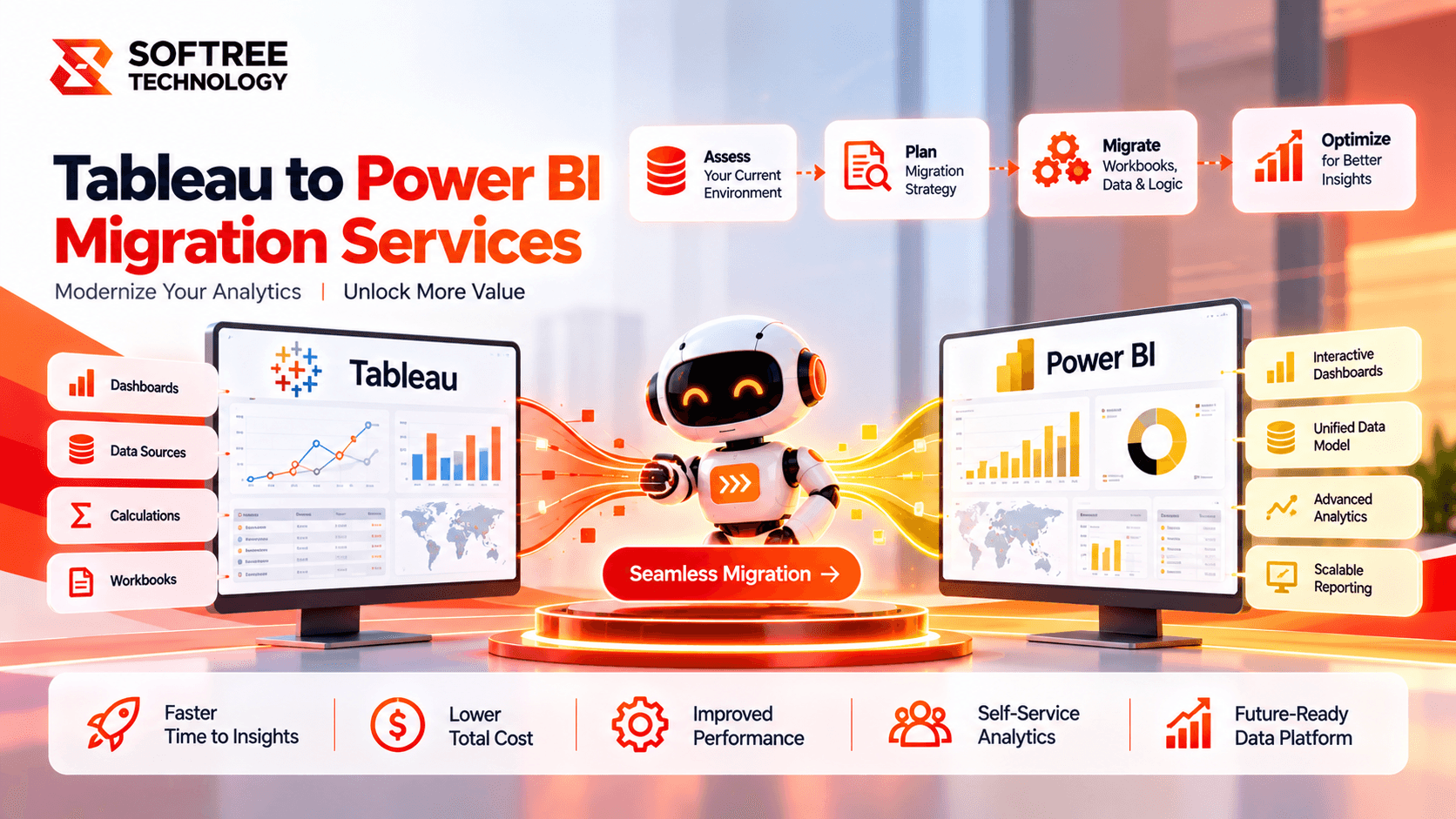
Tableau to Power BI Migration for Enterprise Analytics Modernization
An enterprise organization planned its Tableau-to-Power BI migration to standardize reporting, validate business calculations, and strengthen analytics governance.
Read case study→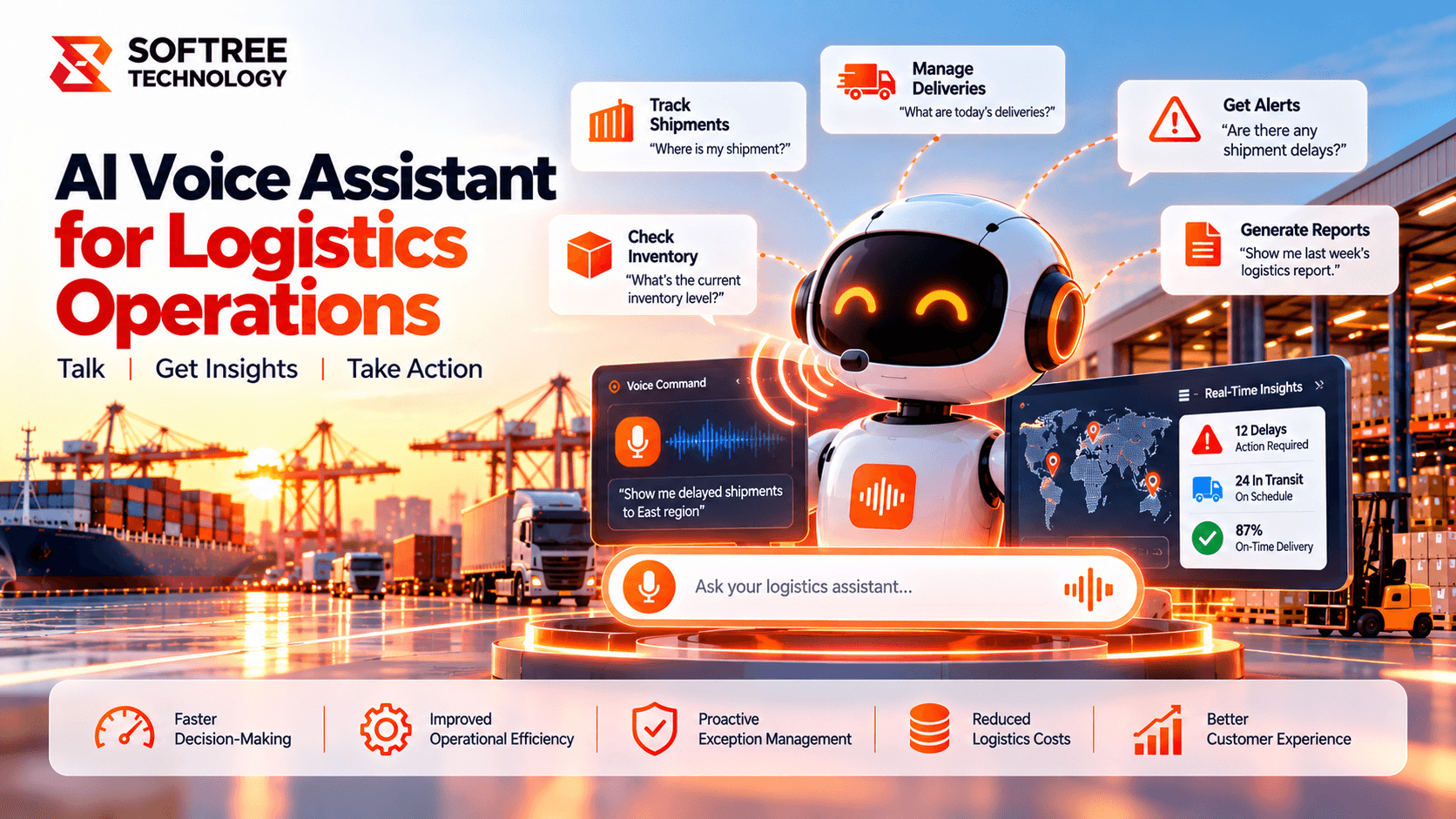
AI Voice Assistant for Logistics Operations and Shipment Management
A South Korean logistics company planned a voice AI agent to reduce shipment-status enquiries by up to 35% and streamline operations.
Read case study→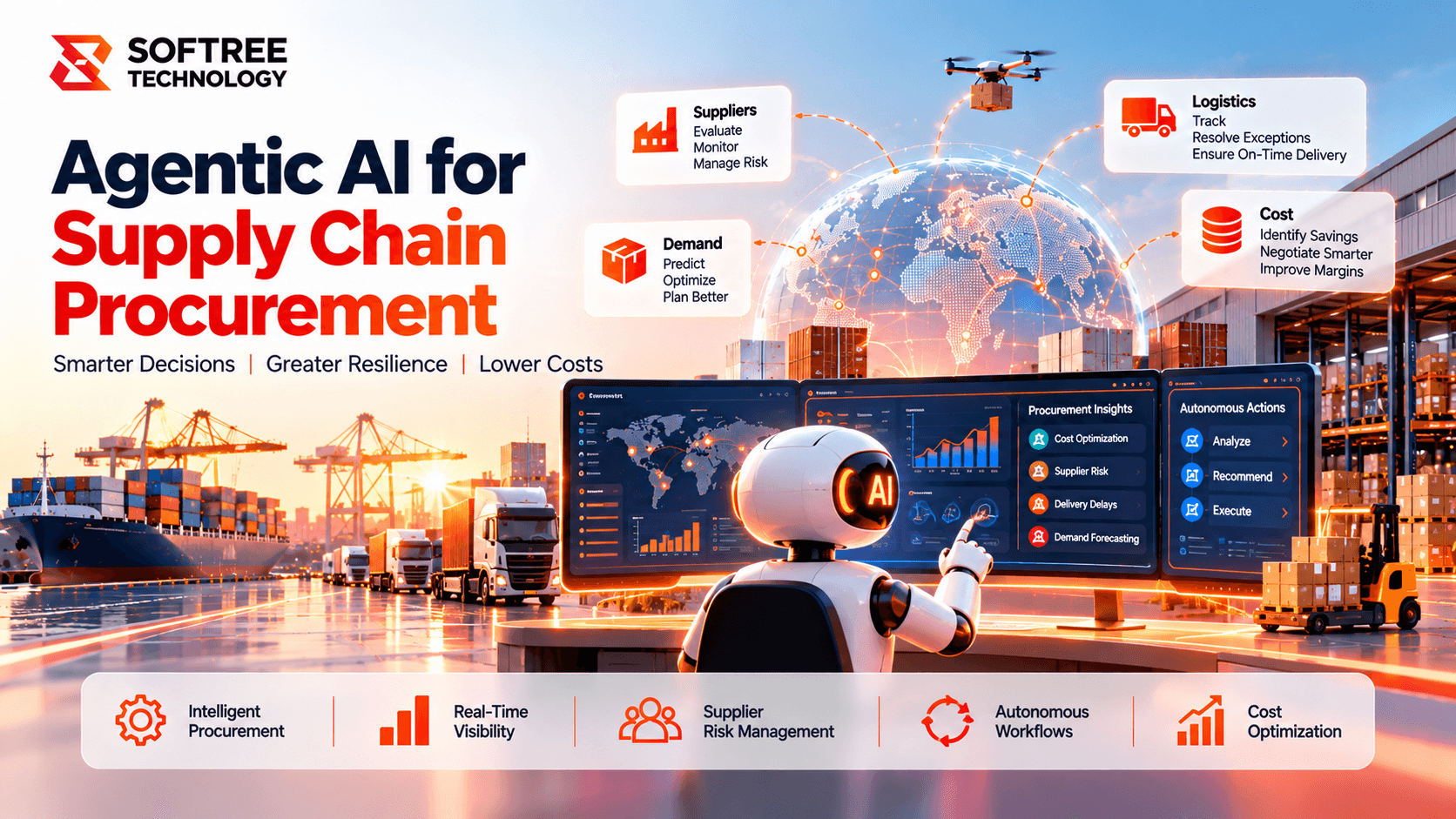
Agentic AI for Supply Chain Procurement
See how Softree used Agentic AI, Amazon Bedrock and Nova 2 Sonic to automate procurement, supplier coordination and supply-chain monitoring.
Read case study→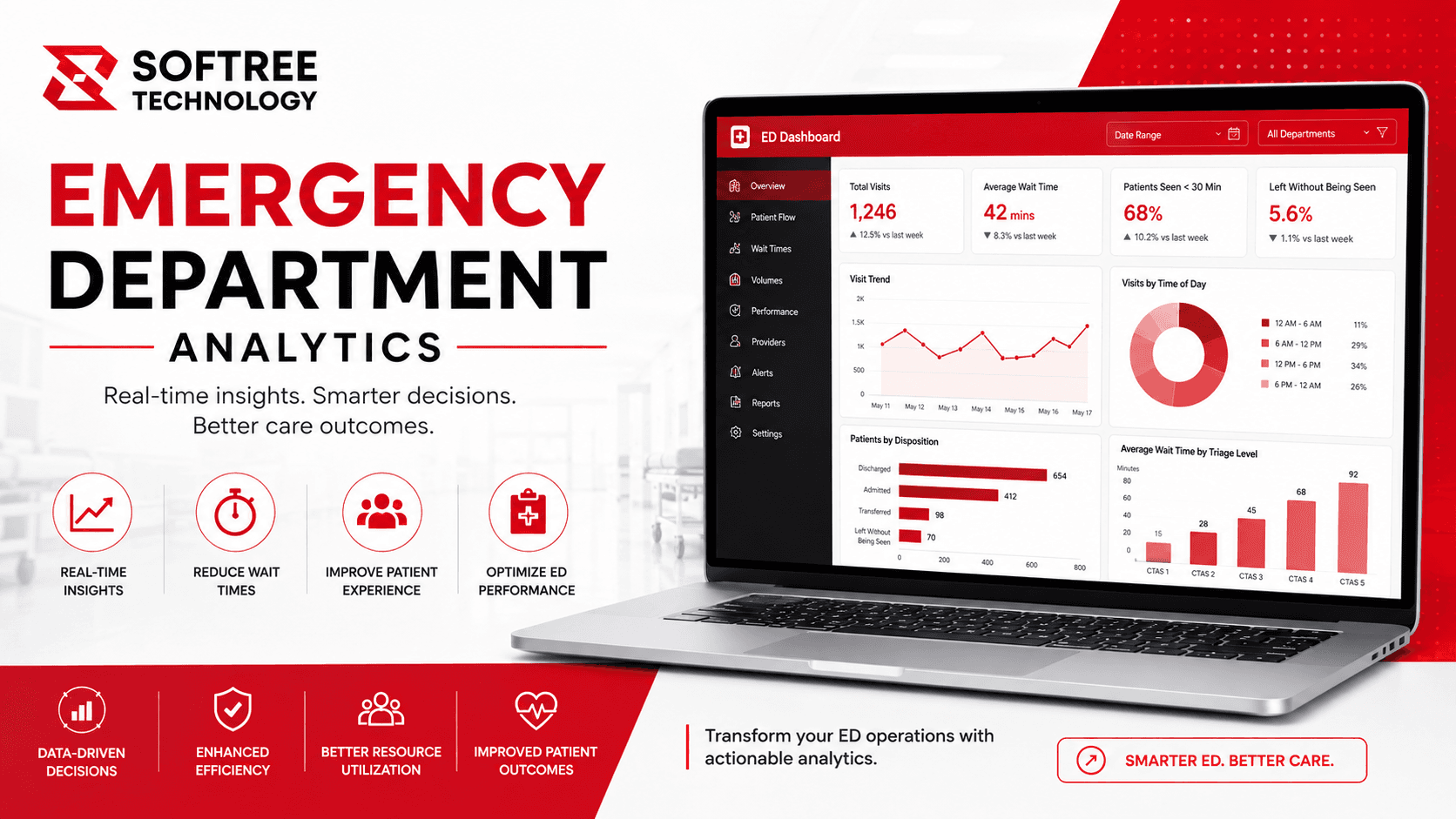
Emergency Department Performance Analytics Platform
A Microsoft Fabric and Power BI analytics platform helped a multi-specialty healthcare network reduce emergency department wait times by approximately 34%.
Read case study→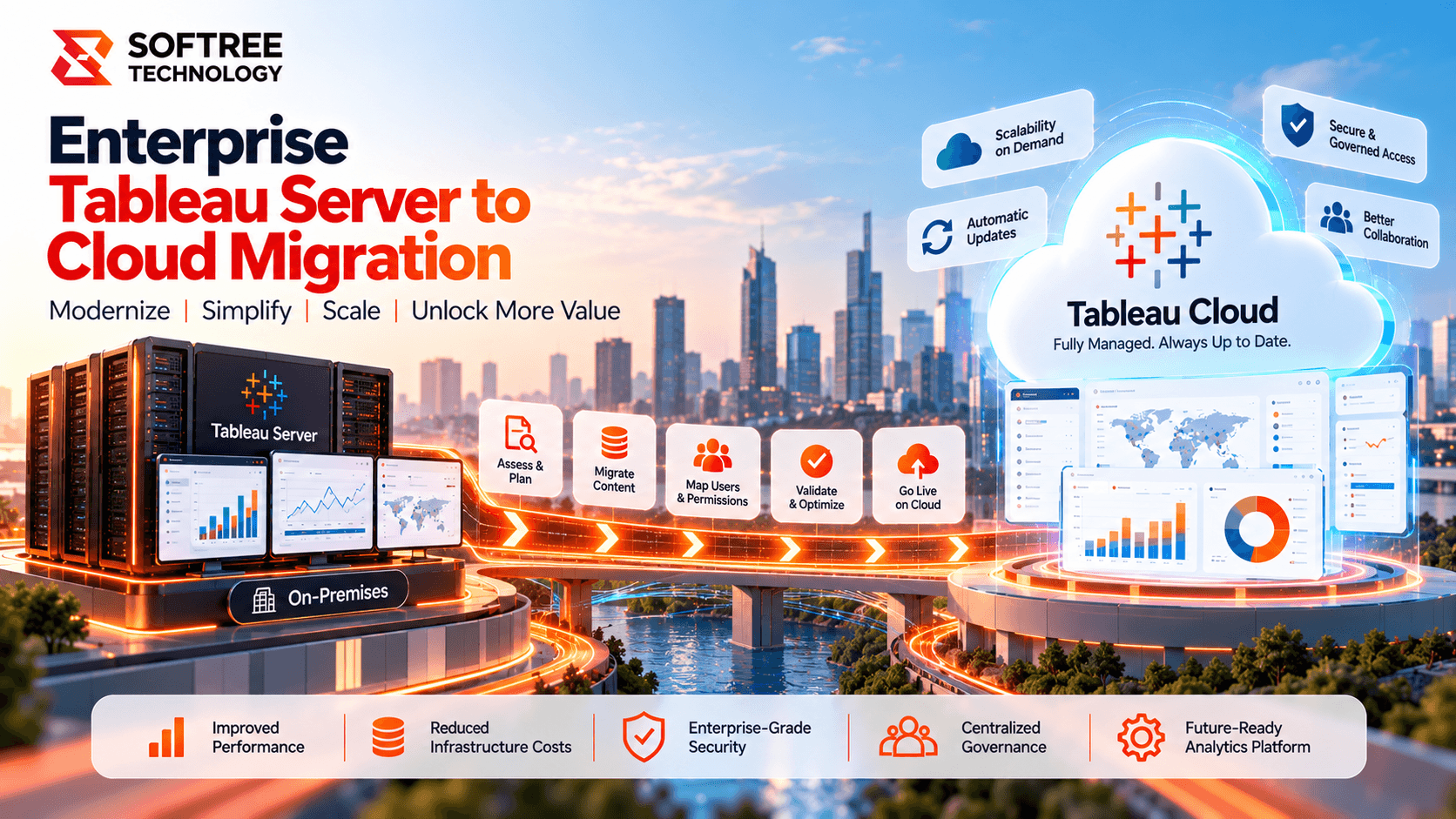
Enterprise Tableau Server Modernization & Cloud Migration
An enterprise organization modernized its multi-site Tableau environment with structured migration, content rationalization, governance, automation, and cloud validation.
Read case study→Frequently asked questions.
Build faster with a reliable offshore engineering partner.
Partner with Softree to accelerate product delivery, modernize enterprise systems, and scale with confidence.

What we offer
Offices
Bengaluru
11th Floor, Prestige Tech Park, Platina 2 · Outer Ring Rd, Kadubeesanahalli · Bengaluru, Karnataka 560087, India
Cuttack
PLOT B6-1628, SECTOR-10, CDA · Cuttack, Odisha 753014 · India
San Francisco
San Francisco, CA 94108 · United States
Got a question, challenge, or idea?
Fill out the form or pick a time on our scheduler.
30-min discovery call
Same Calendly as our booking page · instant invite