Metadata-Driven Data Ingestion with Microsoft Fabric
A U.S. based SaaS company replaced dataset-specific ETL pipelines with a reusable Microsoft Fabric ingestion framework for hundreds of tables.
Business Process Challenges
The client was managing hundreds of similar data ingestion workflows independently. Maintaining separate ETL pipelines for each dataset resulted in duplicated logic, inconsistent processing patterns, and increasing operational overhead. As the number of datasets grew, onboarding new tables also required additional development effort instead of simple configuration.
Key challenges included:
- Pipeline Sprawl: Separate pipelines were maintained for individual datasets.
- Duplicated Logic: Similar ingestion and transformation logic was repeated across workflows.
- Inconsistent Processing: Full and incremental loads were implemented differently across datasets.
- Watermark Management: Incremental load watermarks were maintained separately for different pipelines.
- Scheduling Overhead: Each pipeline required its own scheduling and operational management.
- Limited Centralized Metadata: There was no single control layer to clearly define source, target, load type, schedule, and processing rules.
Our Strategic Approach
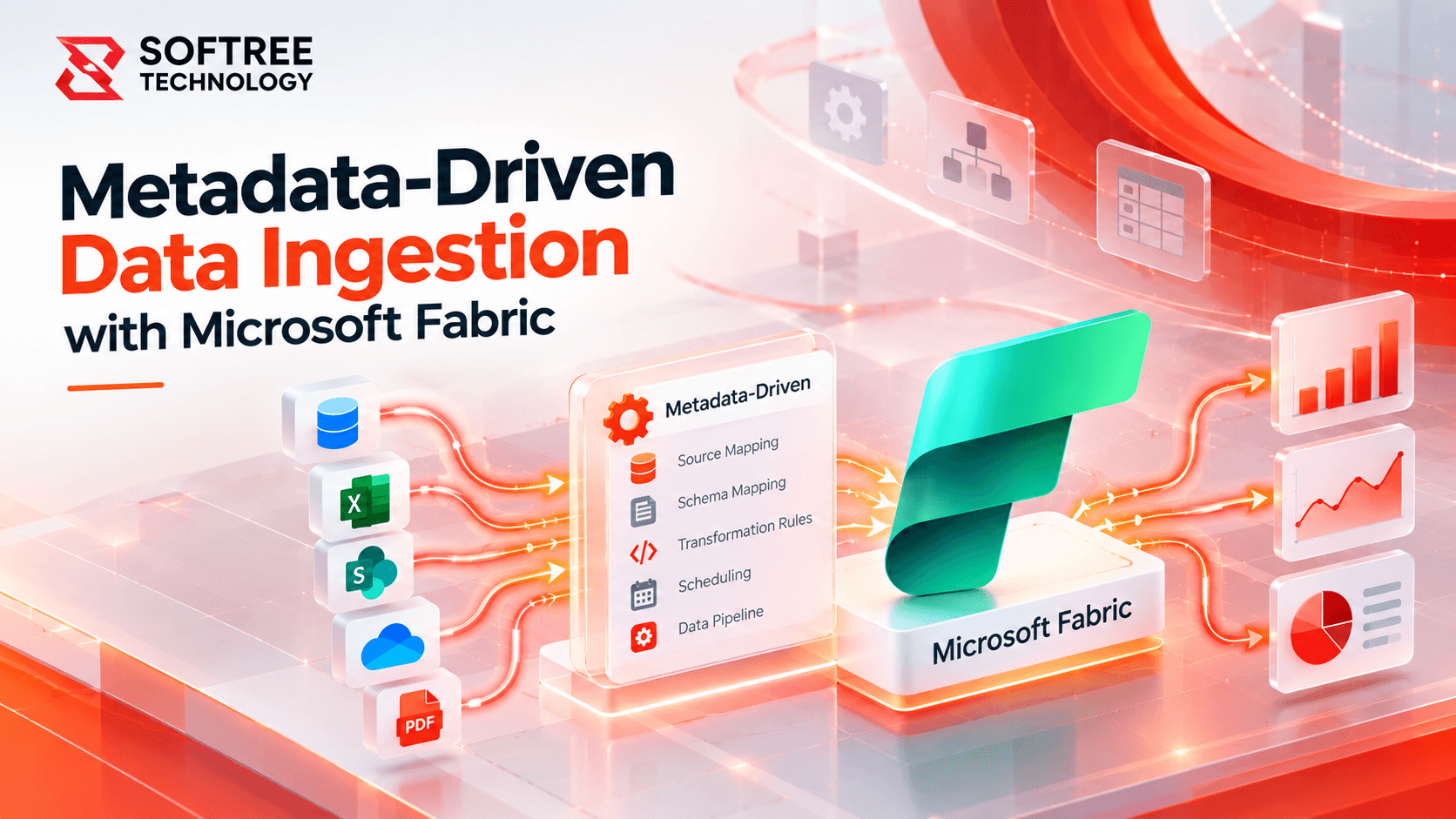
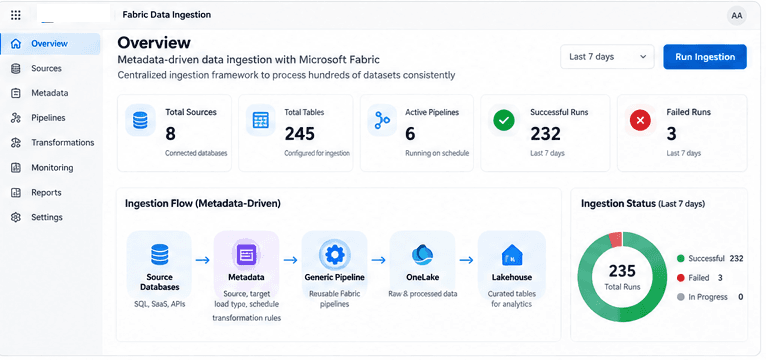
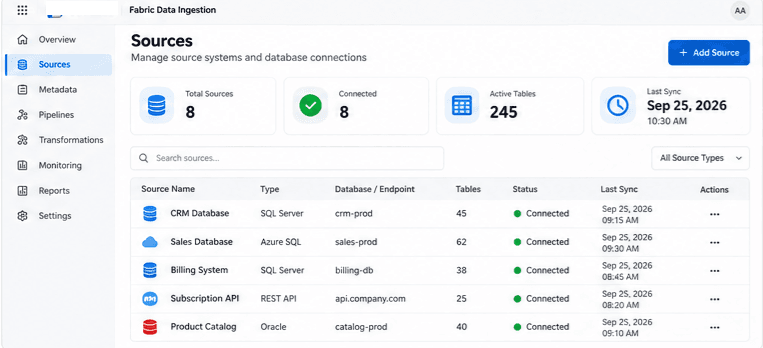
The solution focused on replacing dataset-specific ETL pipelines with a reusable, metadata-driven ingestion framework in Microsoft Fabric. Instead of embedding source, target, load, and scheduling logic inside individual pipelines, these rules were centralized in metadata and processed through a generic pipeline. This approach aligns with Fabric’s support for scalable pipelines, orchestration, and lakehouse ingestion.
Key implementation areas included:
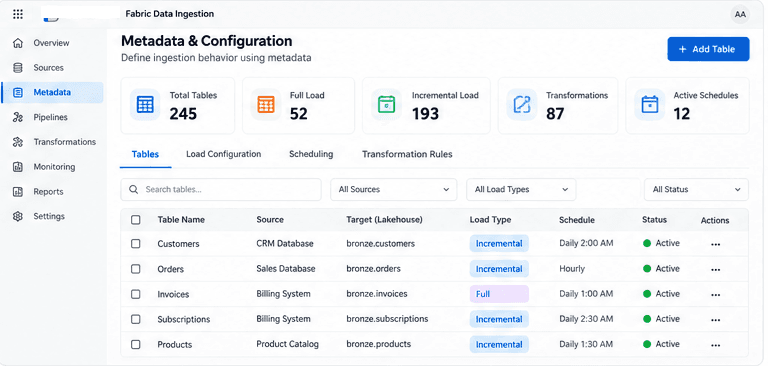
- Metadata-Driven Control: Centralized source, target, table, load type, watermark, schedule, and transformation rules in metadata.
- Reusable Generic Pipeline: Designed one common pipeline to read metadata and dynamically process different datasets.
- Incremental Processing: Used watermark information to support controlled incremental data loads.
- OneLake & Lakehouse: Landed ingested data into OneLake and organized it within the Fabric Lakehouse for analytics.
- Data Transformation: Used Dataflow Gen2, Notebooks, PySpark, and SQL based on transformation requirements.
- Validation & Monitoring: Added validation for record counts, keys, execution status, and pipeline outcomes before updating operational state.
- Scalable Onboarding: New tables could be introduced through metadata configuration rather than creating a separate pipeline for every dataset.
- Migration & Modernization: Existing ADF/Synapse ingestion patterns were progressively consolidated into reusable Microsoft Fabric patterns.
How we delivered it.
Explore the Solution Through visuals
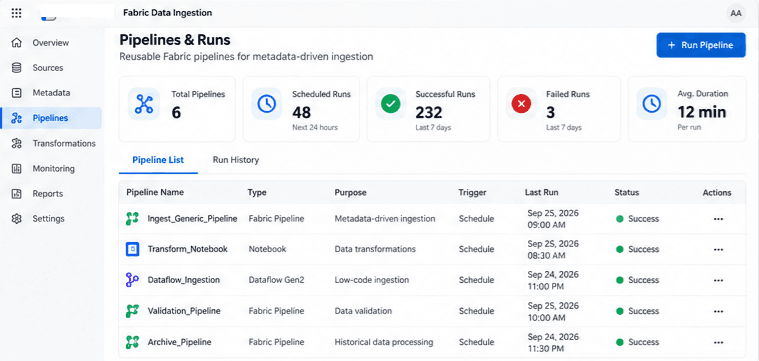
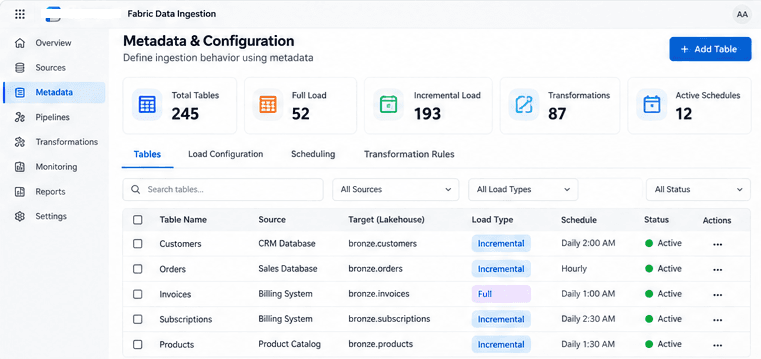
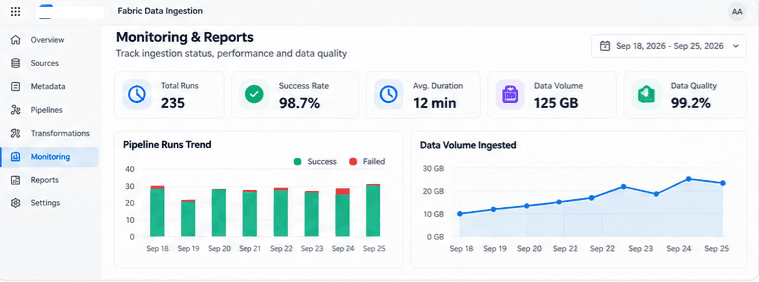
What changed for the client.
The metadata-driven approach established a reusable ingestion framework that reduced dependency on dataset-specific pipelines and provided a more consistent operating model for data onboarding and processing. The framework centralized ingestion controls in metadata while allowing a generic Fabric pipeline to handle different datasets. Microsoft Fabric supports this pattern through pipelines, OneLake, Lakehouse, Dataflow Gen2, and notebooks for ingestion and transformation.
Key outcomes included:
- Reusable Ingestion Framework: Common ingestion logic could be reused across multiple datasets.
- Reduced Pipeline Duplication: New datasets could be onboarded through metadata configuration rather than creating separate pipelines.
- Standardized Processing: Full and incremental ingestion followed a consistent framework.
- Centralized Operational Control: Source, target, load type, watermark, scheduling, and transformation rules were managed through metadata.
- Improved Scalability: The framework was designed to support hundreds of datasets without multiplying pipeline definitions.
- Better Maintainability: Changes to common ingestion behavior could be managed centrally.
- Modernized Data Platform: The approach established a scalable foundation using Microsoft Fabric, OneLake, and Lakehouse for broader data engineering and analytics modernization.
The numbers behind the rollout.
The full integration layer.
Other engagements worth a look.
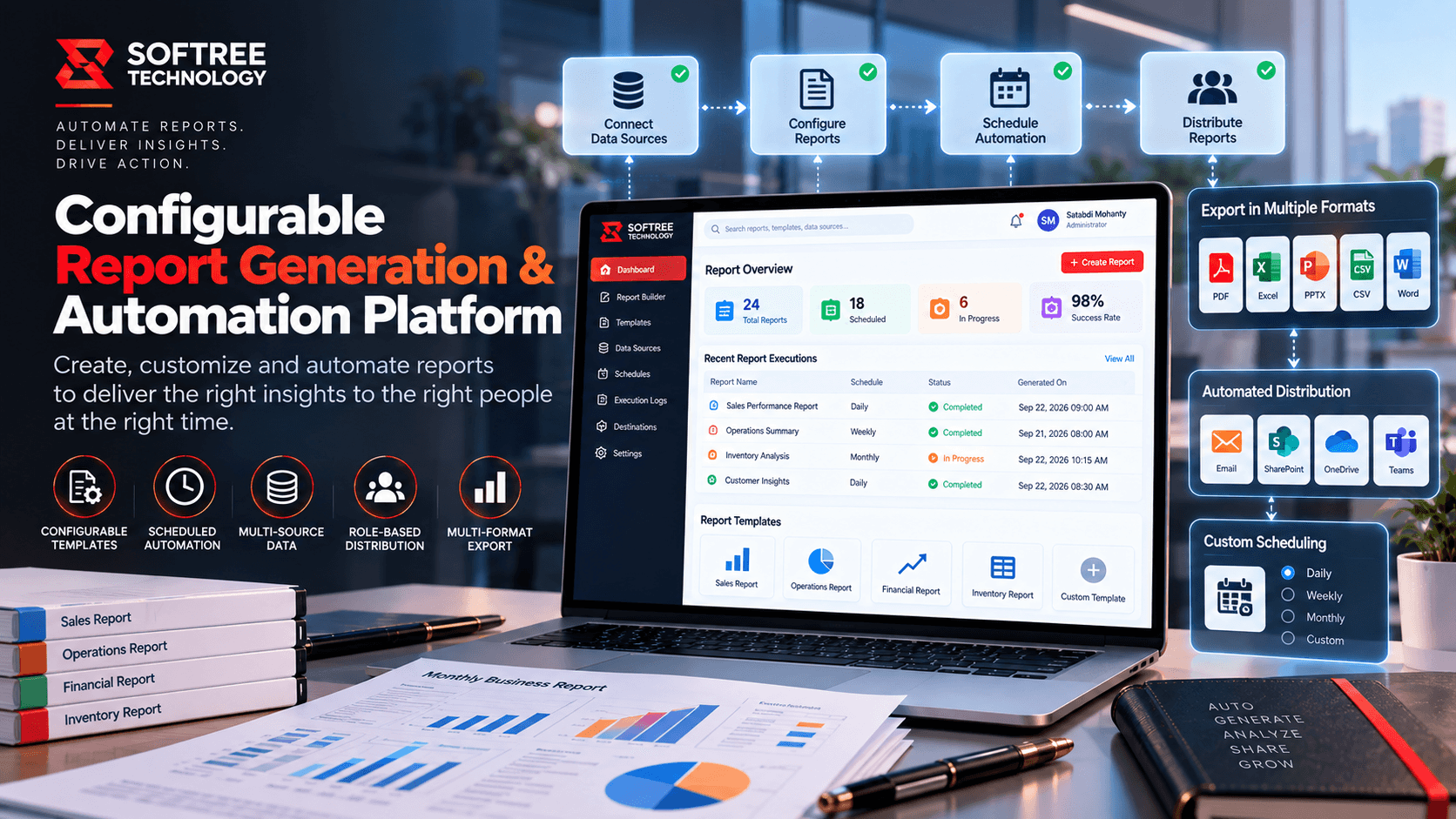
Configurable Report Generation & Automation Platform
Streamline professional report creation with configurable templates, automated workflows, AI-assisted content generation, human review, and Word document automation.
Read case study→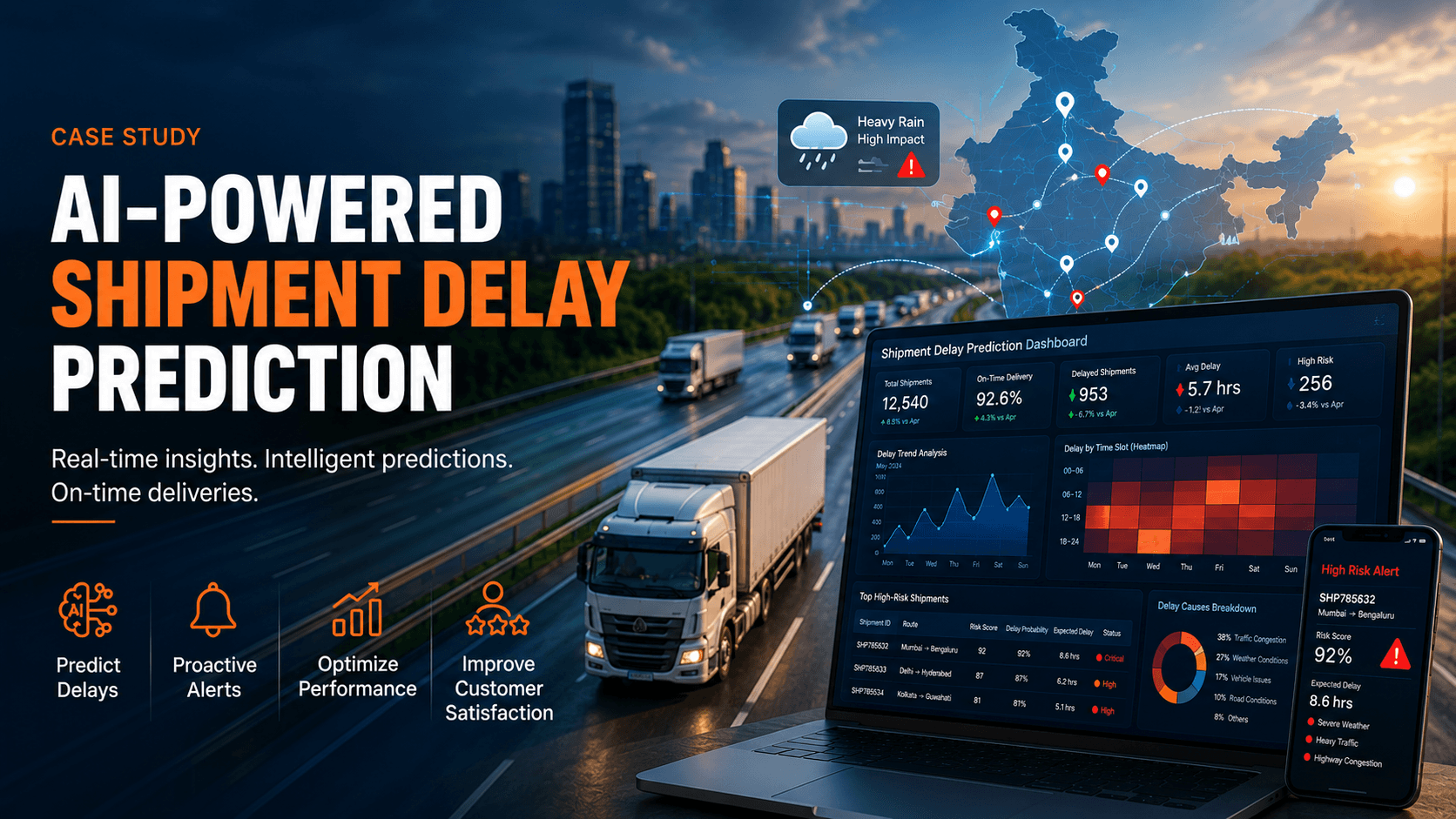
AI-Powered Shipment Delay Prediction Platform
Building an AI-Powered Shipment Delay Prediction Platform That Reduced Delivery Delays by 34% with Real-Time Predictive Analytics
Read case study→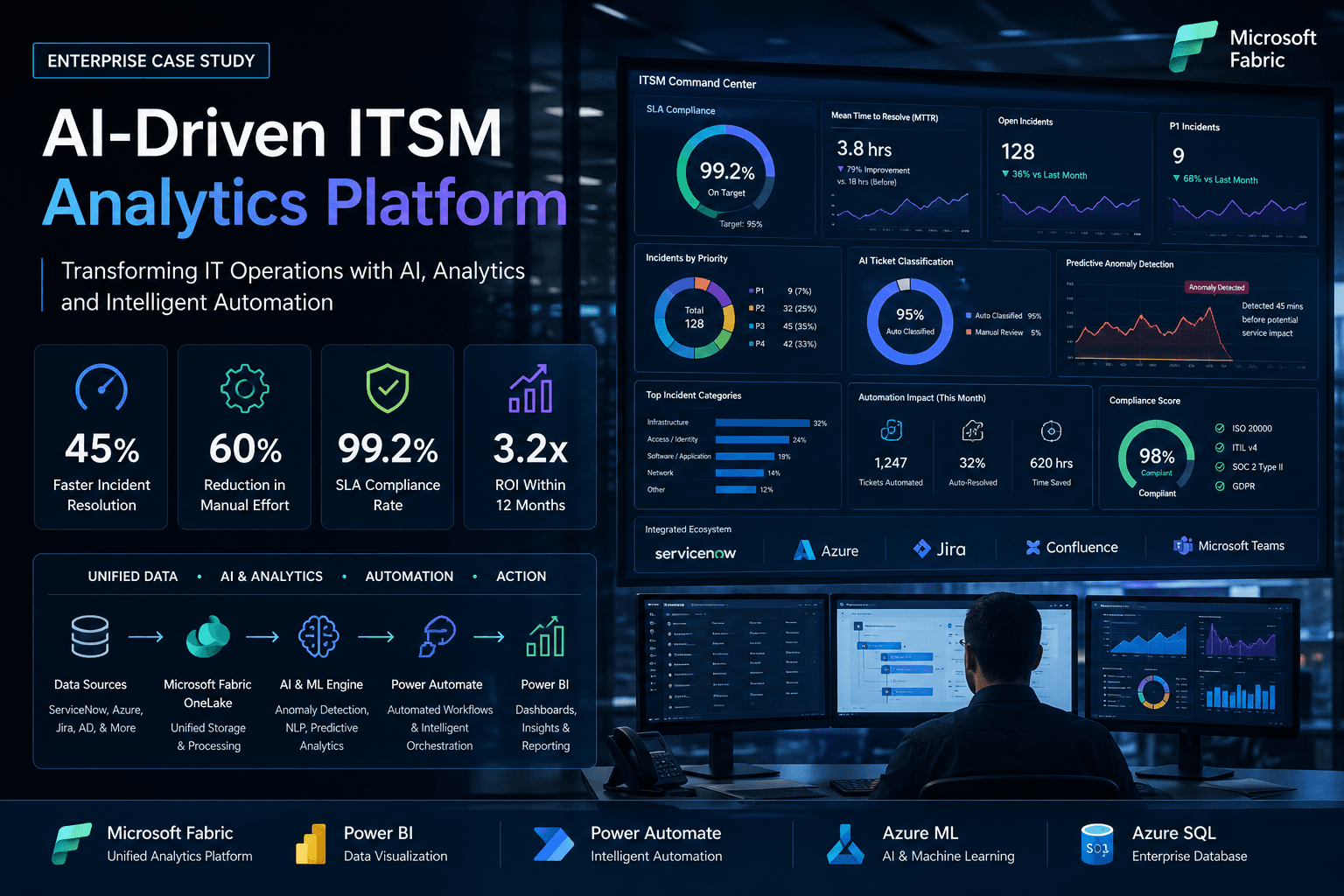
AI-Powered IT Service Management (ITSM) Analytics Platform
Global enterprise unified ITSM operations with Microsoft Fabric and AI, reducing incident resolution time by 79% and achieving 99.2% SLA compliance.
Read case study→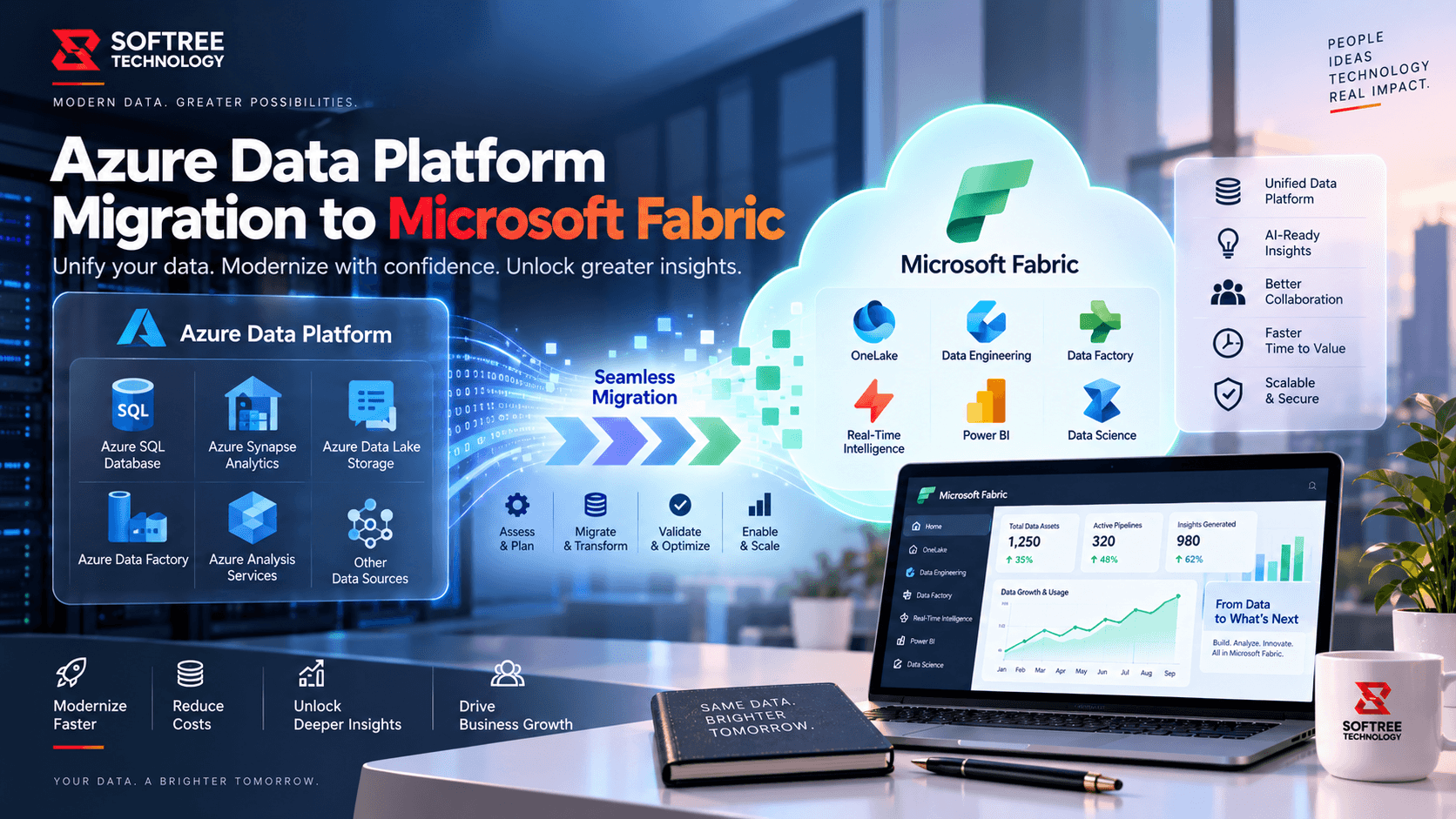
Azure Data Platform Migration to Microsoft Fabric
Modernize Azure data platforms with Microsoft Fabric, OneLake, and Power BI to create a unified, governed, and scalable analytics foundation.
Read case study→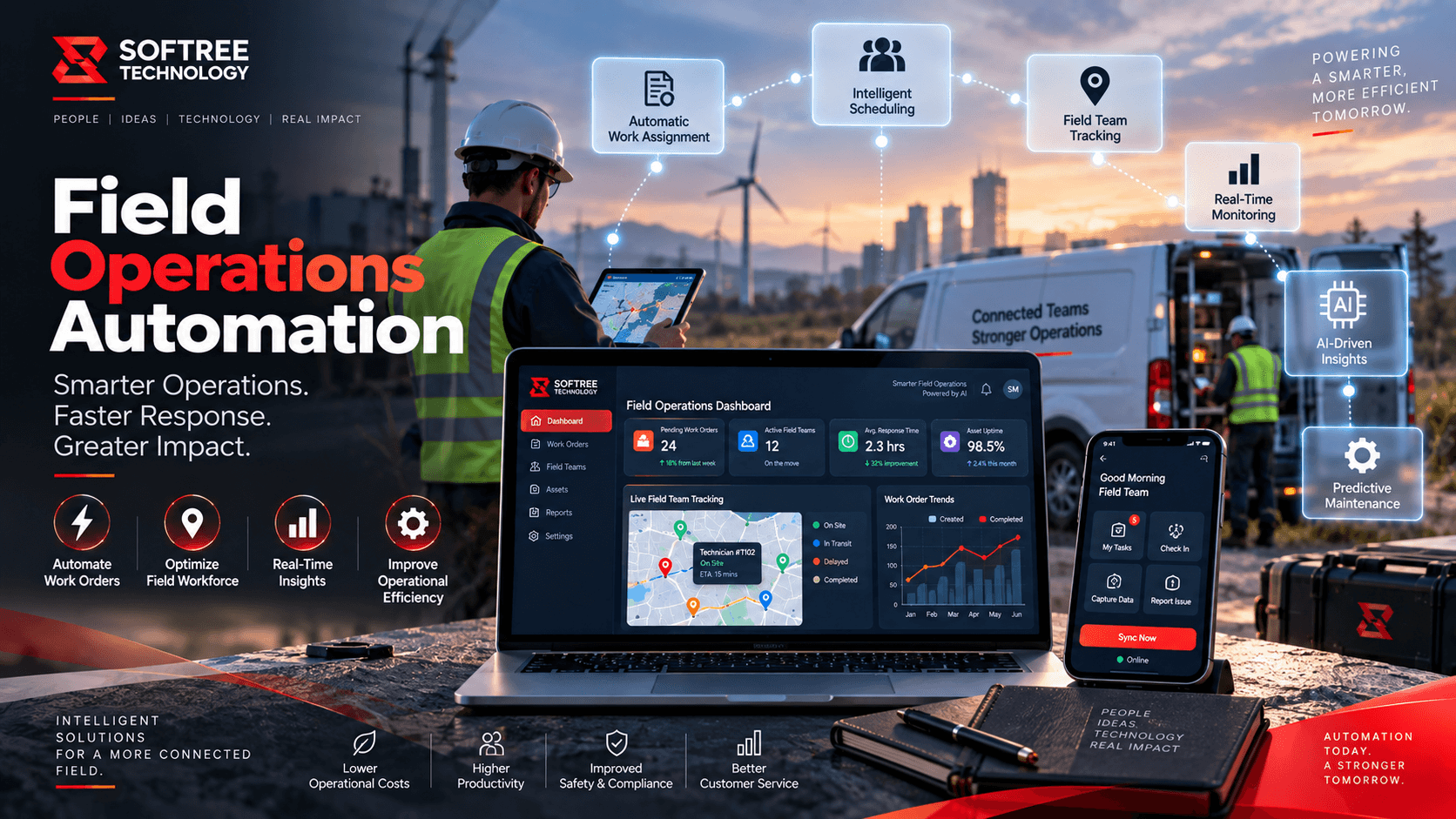
Field Operations Document Submission & Tracking Automation
Centralized document submission and tracking automation using Power Apps, Power Automate, SharePoint, and AI Builder to streamline field operations.
Read case study→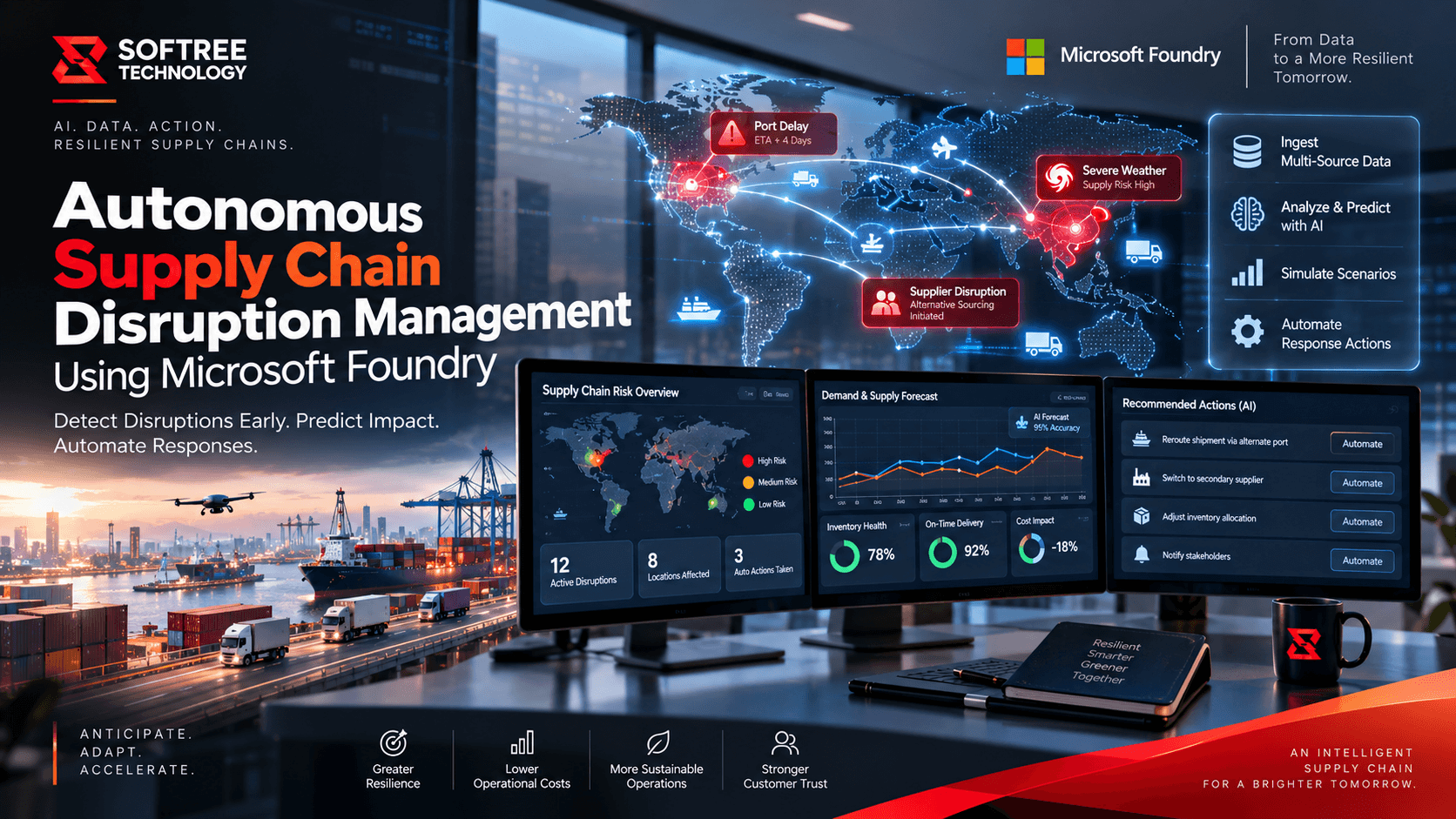
Autonomous Supply Chain Disruption Management Using Microsoft Foundry
Microsoft Foundry helps supply chain teams detect disruptions, assess impact, evaluate recovery options, and accelerate informed operational decisions.
Read case study→Frequently asked questions.
Let's Start a Conversation

Extend Your Engineering Capacity.
Not Your Hiring Complexity.
Build, scale and deliver more with an engineering partner that works as an extension of your team.
What we offer
- Agentic AI & Automation
- Web Application Development
- Power Platform & SharePoint
- Data Engineering & Power BI
- Mobile App Development
HOW WE CAN EXTEND YOUR TEAM
AI ENGINEERING
- Agentic AI
- AI Automation
- RAG
MICROSOFT
- Azure
- Fabric
- Power Platform
QUALITY ENGINEERING
- AI Testing
- Security Testing
- Automation Testing
SOFTWARE ENGINEERING
- React / Next.js
- Node.js / Python
- FastAPI
CLOUD & DATA
- Azure / AWS
- Data Engineering
- DevOps
Got a question, challenge, or idea?
Fill out the form or pick a time on our scheduler:
30-min discovery call
Same Calendly as our booking page · instant invite
11th Floor, Prestige Tech Park, Platina 2 · Outer Ring Rd, Kadubeesanahalli, Bengaluru 560087
PLOT 5C/1283, SECTOR-10, CDA, Cuttack, Odisha 753014, India