AI Regression Testing
for Healthcare Applications
CliniRegress AI uses risk-based test selection to help healthcare QA teams reduce regression effort while protecting critical clinical workflows.
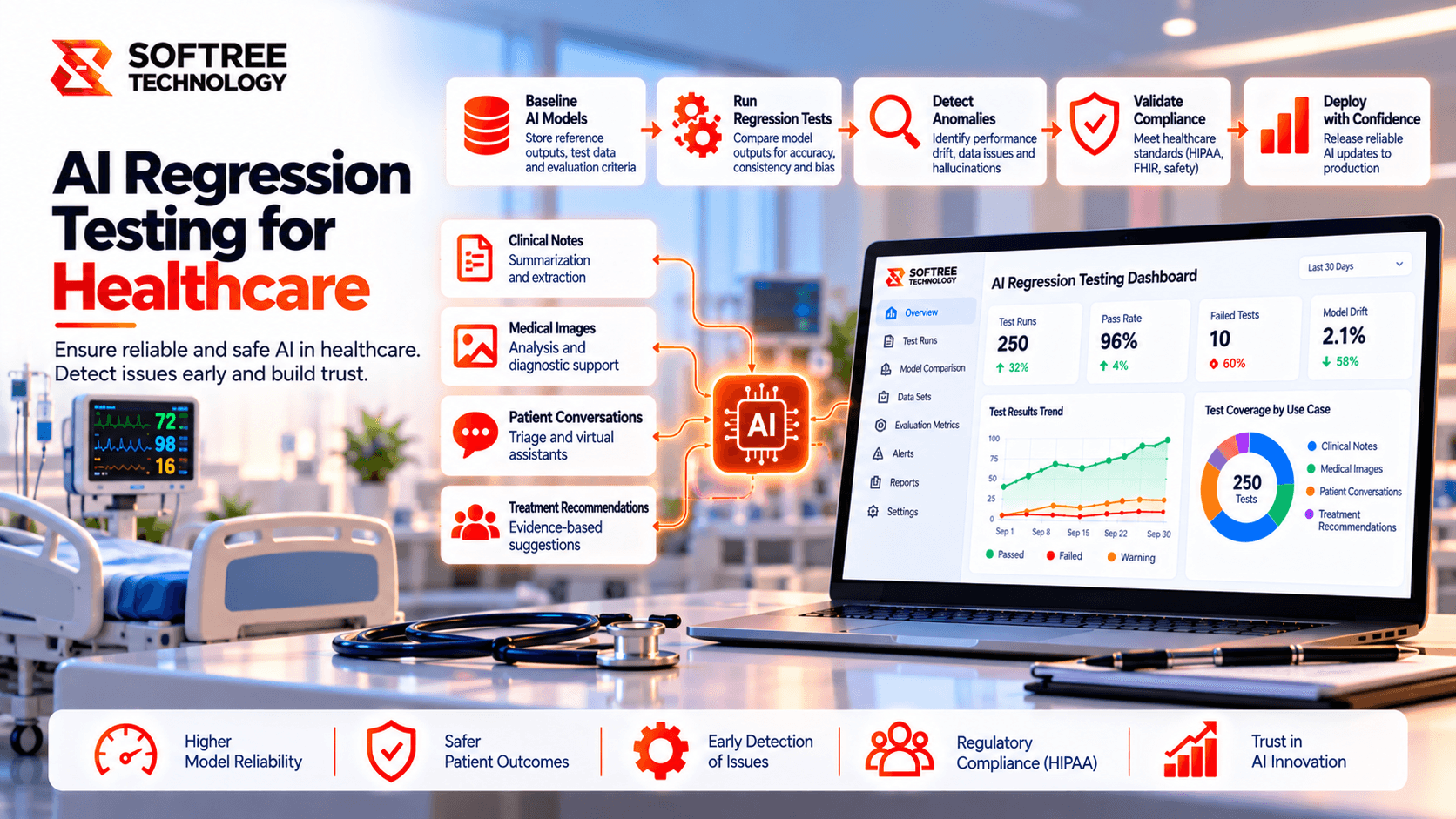
Business Process Challenges
Healthcare applications often connect multiple clinical workflows, including RIS, PACS, EMR/HIS, DICOM, HL7/FHIR, reporting, and identity services. Even a small code, configuration, API, or interface change can affect downstream workflows such as order processing, image retrieval, reporting, and EMR synchronization. As the regression suite expanded, manual test selection became increasingly dependent on release notes and individual knowledge, making it difficult to identify hidden dependencies and prioritize the right tests.
Key challenges included:
- Growing regression test suites increased execution time.
- Manual test selection depended heavily on individual knowledge.
- Dependencies between clinical workflows were difficult to identify.
- Small changes could create unexpected downstream defects.
- Running only a limited set of tests could miss critical clinical issues.
- Safety-critical workflows needed to remain covered during every release.
Our Strategic Approach
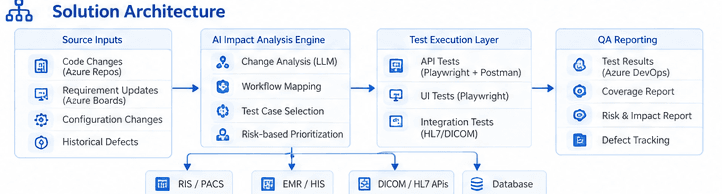
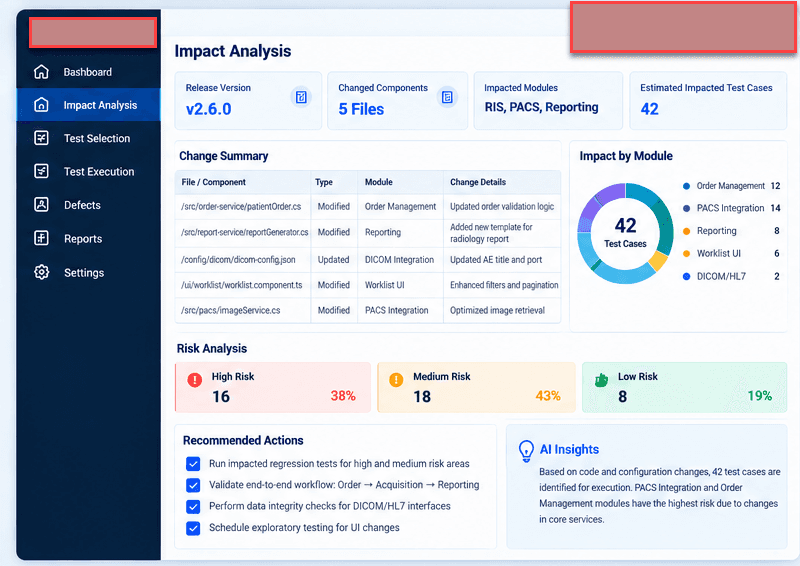
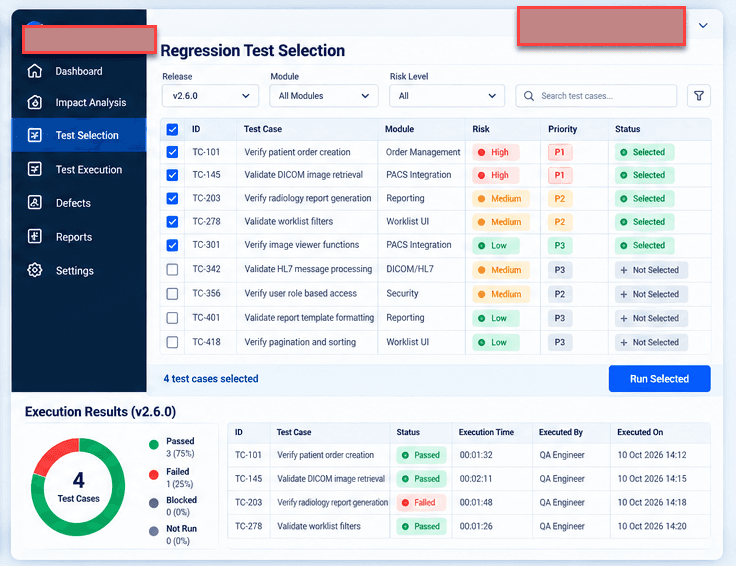
Softree designed CliniRegress AI to combine AI-assisted impact analysis with deterministic testing controls. The approach analyzes release changes, maps affected components to clinical workflows, and recommends regression tests based on risk and dependency evidence. QA engineers review the recommendations before execution, while mandatory safety-critical tests remain protected.
Key elements of the approach included:
- Change Analysis: Collect code, configuration, API schema, work-item, and defect changes.
- Dependency Mapping: Connect changed components with affected clinical workflows and test cases.
- Risk-Based Selection: Rank tests using change proximity, dependency reach, clinical criticality, defect history, and test health.
- Mandatory Coverage: Always include approved safety-critical and release-required tests.
- QA Review: Allow QA teams to review, add, exclude, or override recommended tests.
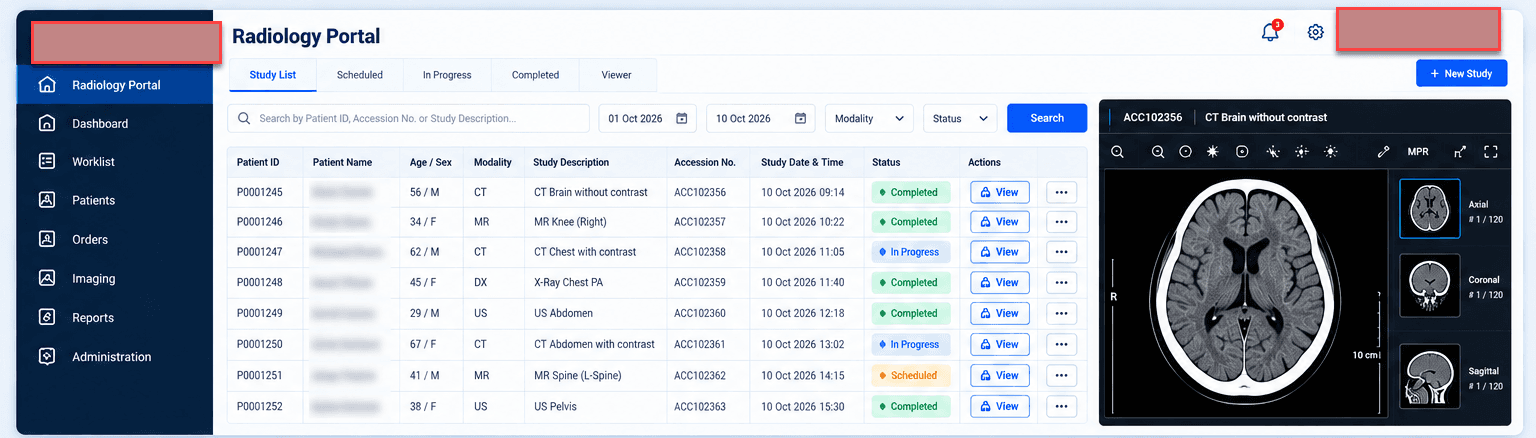
- Controlled Execution: Run approved API, UI, and interface tests using controlled environments and synthetic data.
- Traceability: Capture test results, logs, screenshots, payload evidence, defects, and release sign-off.
How we delivered it.
Explore the Solution Through visuals
What changed for the client.
CliniRegress AI provides a structured approach for selecting regression tests based on release impact and clinical risk. It helps QA teams focus testing on affected workflows while maintaining mandatory coverage and human approval.
Key outcomes included:
- Risk-based identification of tests affected by release changes.
- Better traceability between changes, workflows, tests, defects, and release decisions.
- Protection of mandatory safety-critical test coverage.
- Reduced manual effort in identifying relevant regression tests.
- Clear visibility into selected, skipped, failed, and overridden tests.
- Continuous improvement using defect findings, QA overrides, and dependency updates.
The numbers behind the rollout.
The full integration layer.
Other engagements worth a look.
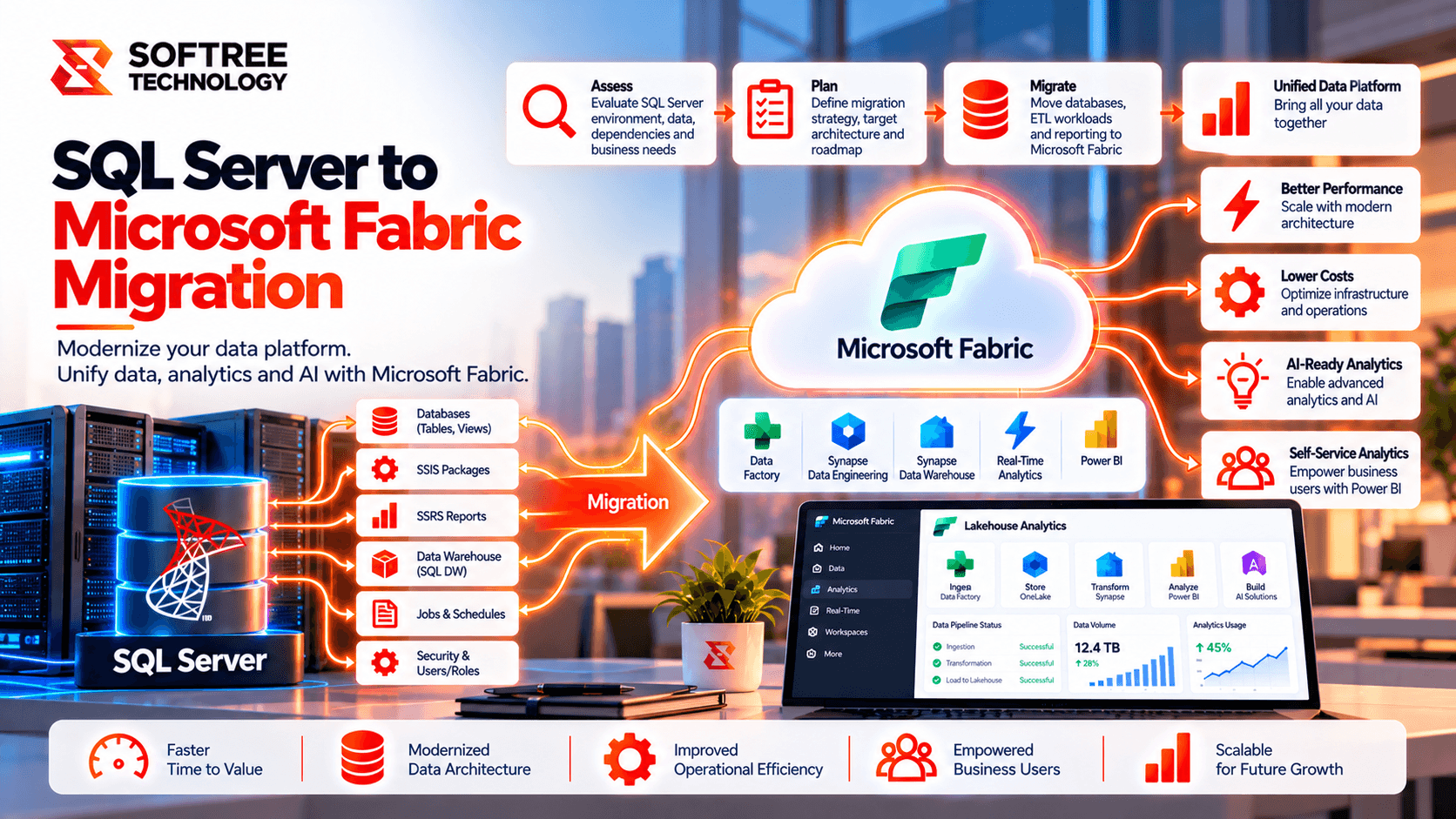
SQL Server to Microsoft Fabric Data Warehouse Migration
Modernizing an enterprise SQL Server data warehouse with Microsoft Fabric while maintaining data quality, performance, security, and reporting continuity.
Read case study→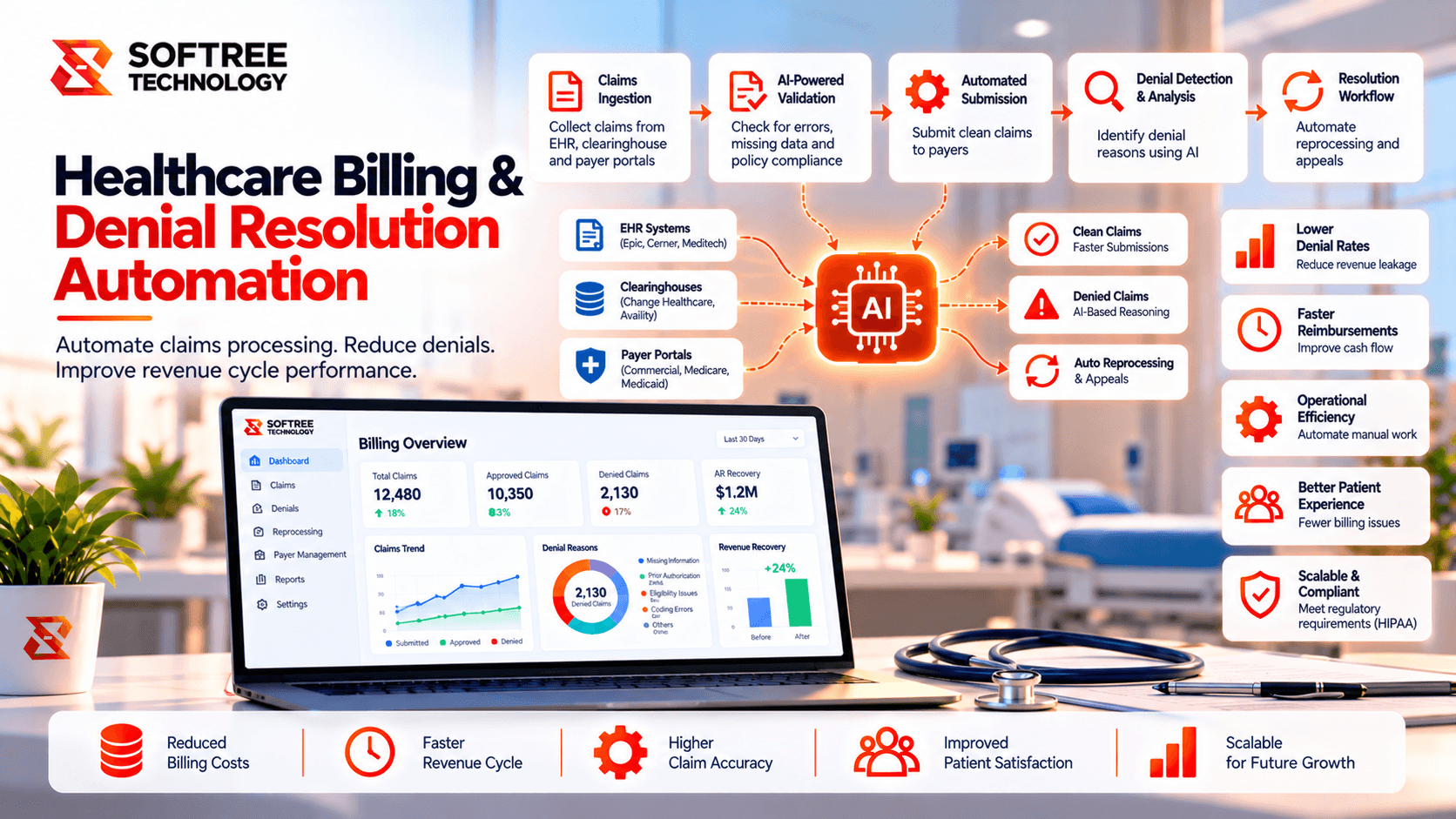
Healthcare Billing & Denial Resolution Agent
A Singapore healthcare provider proposed an AI agent to streamline claim denial investigations, payer research, follow-ups, and specialist review.
Read case study→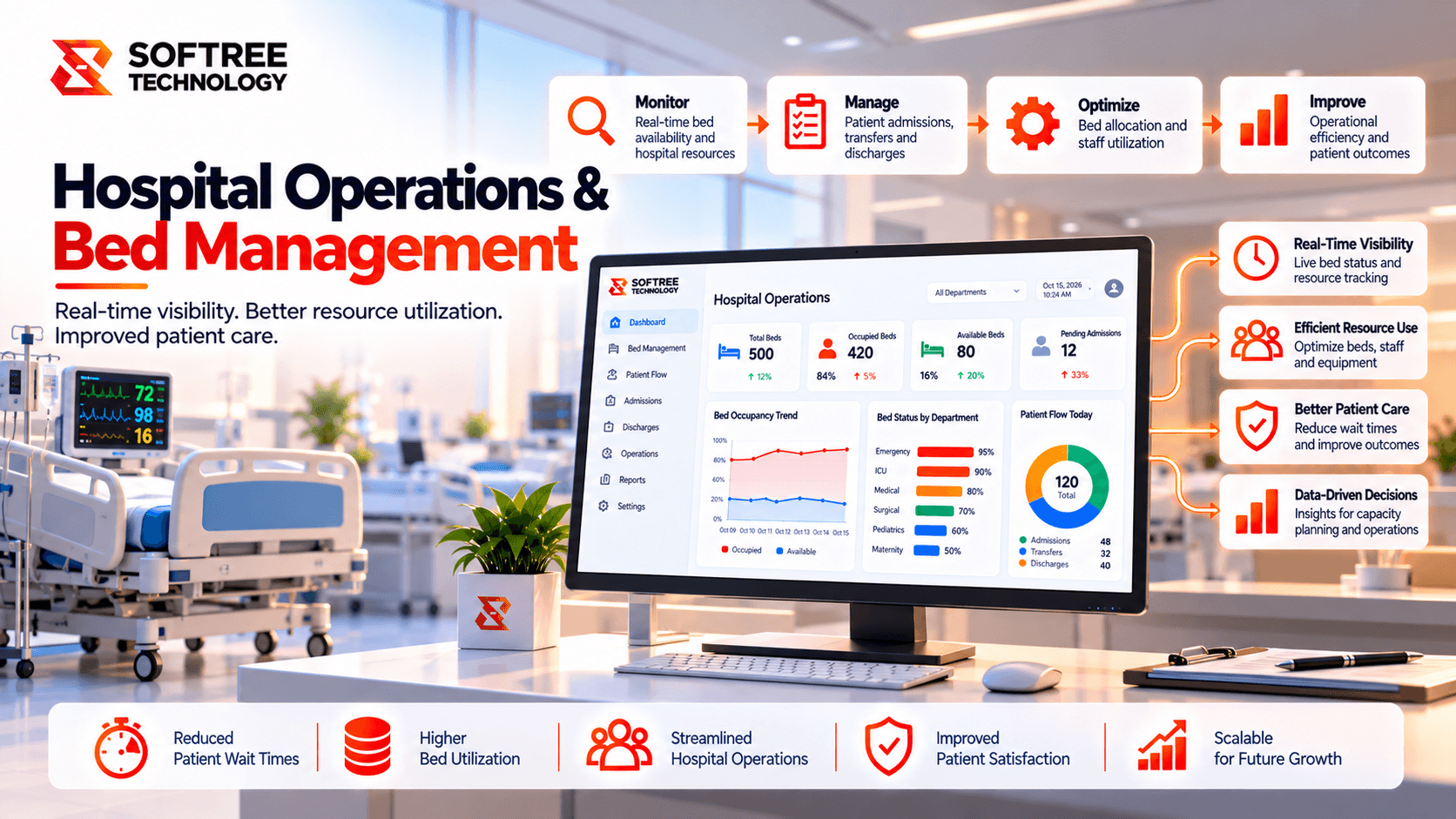
Hospital Operations & Bed Management Agent
A UAE hospital network proposed an agentic AI solution to improve bed readiness, discharge coordination, patient transfers, and operational visibility.
Read case study→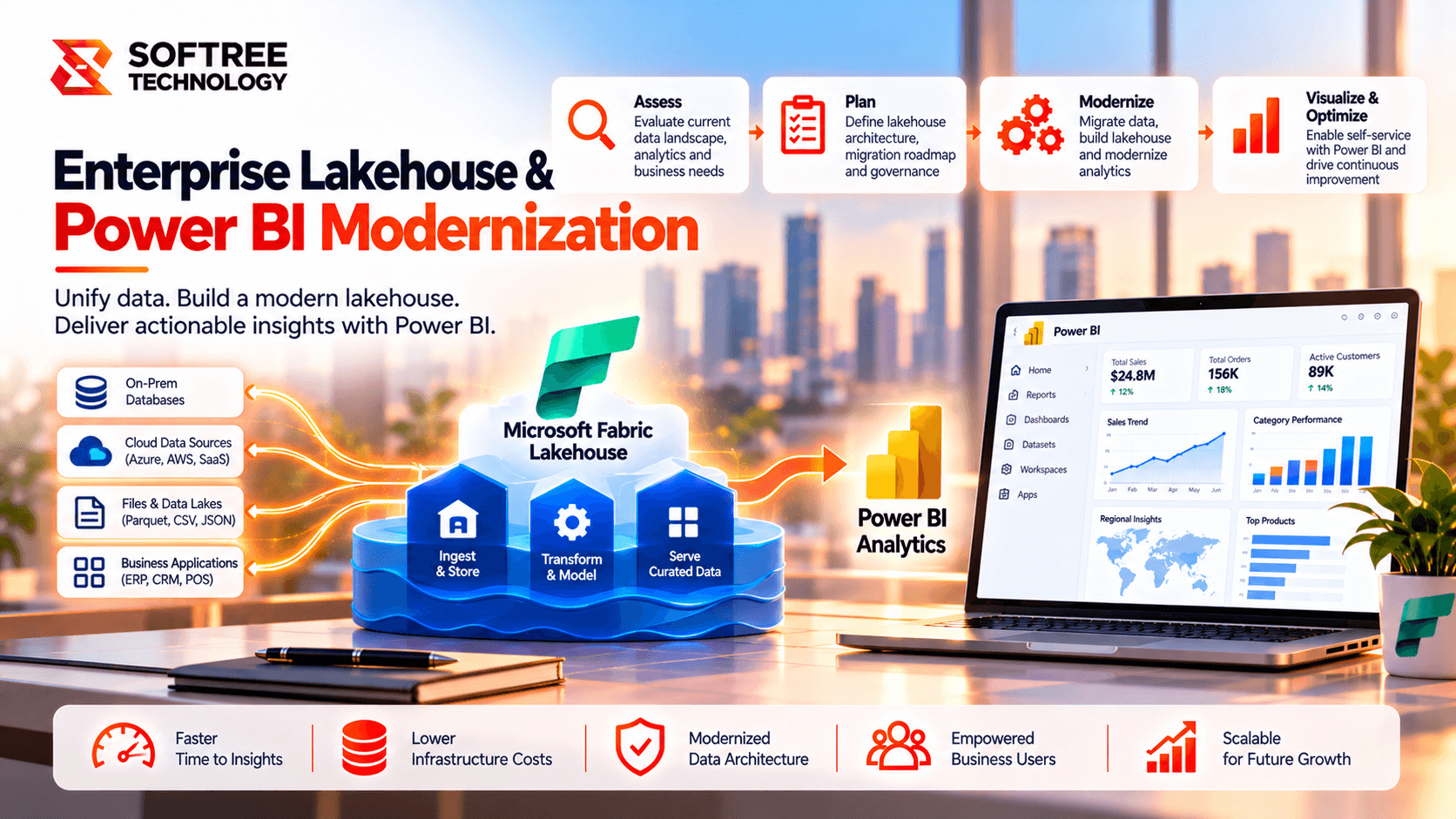
Enterprise Lakehouse Power BI Migration Modernization Services
A U.S. retail and e-commerce company modernized its Azure data platform with Microsoft Fabric, unifying analytics workloads and improving data governance.
Read case study→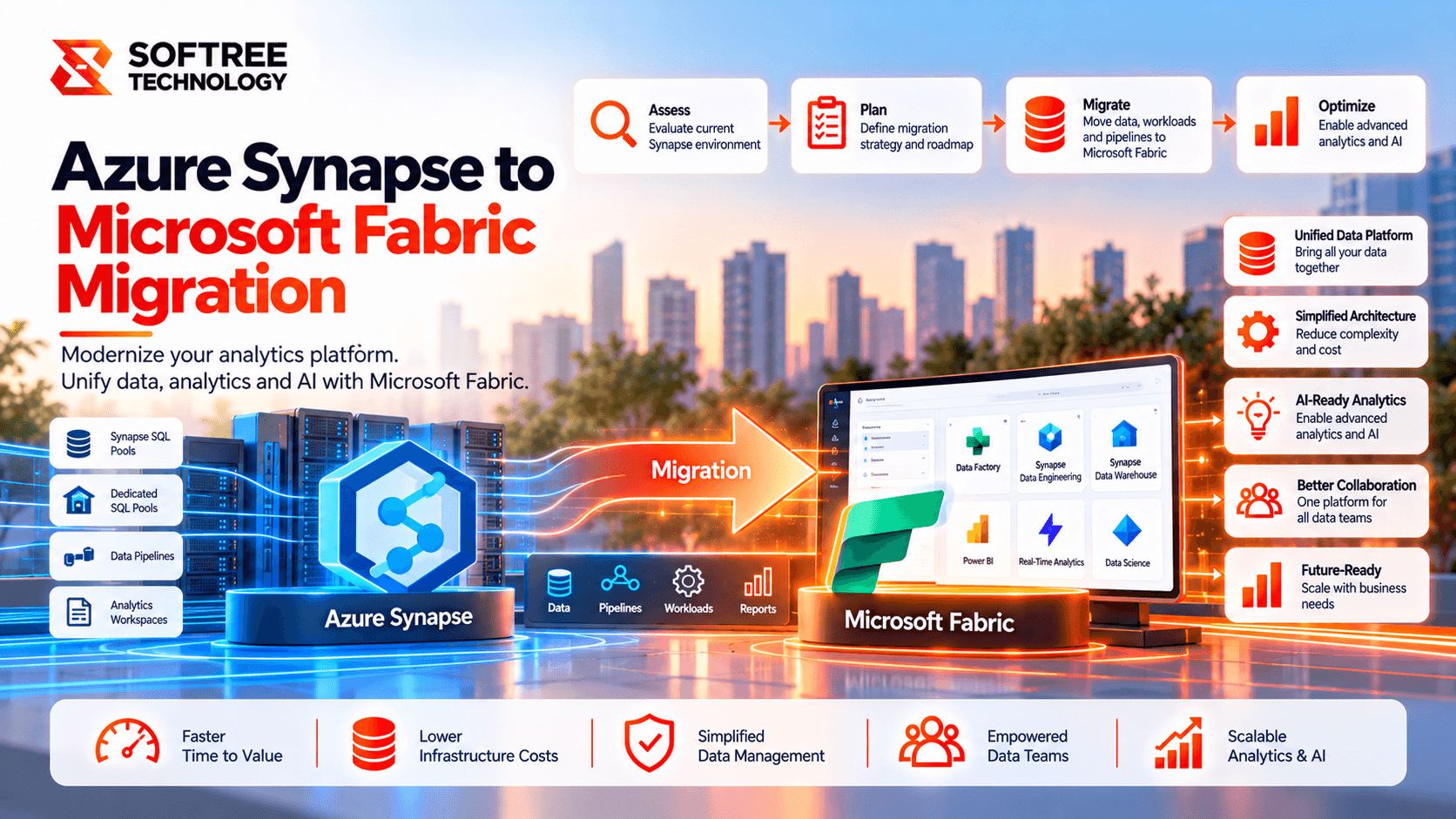
Azure Synapse to Microsoft Fabric Migration
Softree modernized an Azure Synapse environment by migrating data workloads, pipelines, Spark notebooks, OneLake, and Power BI dependencies to Microsoft Fabric.
Read case study→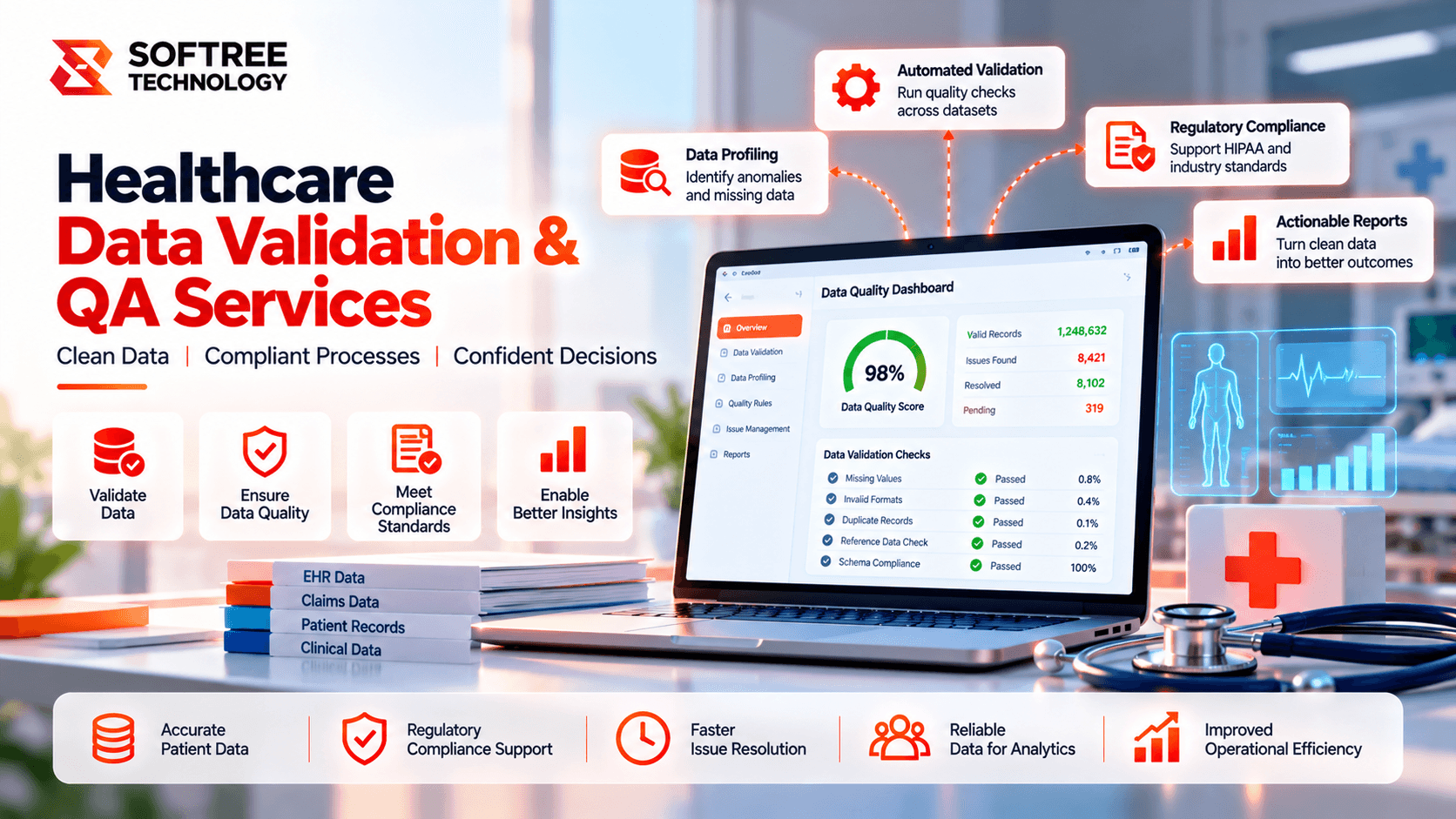
Healthcare Data Validation and Quality Assurance
Explore an AI-powered healthcare data validation platform designed to test data integrity across patient records, lab results, and insurance claims.
Read case study→Frequently asked questions.
Build faster with a reliable offshore engineering partner.
Partner with Softree to accelerate product delivery, modernize enterprise systems, and scale with confidence.

What we offer
Offices
Bengaluru
11th Floor, Prestige Tech Park, Platina 2 · Outer Ring Rd, Kadubeesanahalli · Bengaluru, Karnataka 560087, India
Cuttack
PLOT B6-1628, SECTOR-10, CDA · Cuttack, Odisha 753014 · India
San Francisco
San Francisco, CA 94108 · United States
Got a question, challenge, or idea?
Fill out the form or pick a time on our scheduler.
30-min discovery call
Same Calendly as our booking page · instant invite